What is a chronometer…? In short, it is a watch that has been officially tested for precision. And to ensure the precision of watches, there are several instruments, such as the ISO 3159 standard (which celebrates its 50th anniversary this year) and official organizations such as the Observatoire de Besançon in France, the Glashütte Observatory in Germany, the Japan Chronometer Inspection Institute or the recently founded Geneva Observatory. For over 50 years, the COSC (Contrôle Officiel Suisse des Chronomètres), founded in 1973, has been the leading authority in this context. As we already indicated in an interview with its CEO Andreas Wyss, the COSC is now raising the bar and setting a new standard in Swiss chronometry with the COSC Excellence Chronometer. More rigorously, with new testing procedures (magnetic fields, power reserve, real wear, etc.), the watch is intended to take into account the evolution of watches over the last half century. Better? Secure. Perfect? Let's take a closer look.
The COSC, its competition and how it became somewhat outdated
For over 50 years, the COSC (Contrôle Officiel Suisse des Chronomètres) has been the main body for certifying watches for their precision and awarding them the title of chronometer (reminder: the term chronometer cannot be used freely and refers to an officially certified procedure). However, in recent years the certification environment has changed drastically. First, many new organizations have been established that have much more stringent testing procedures than the COSC, which is based on the ISO 3159 standard. Additionally, the lifespan of mechanical watches has evolved over the last half century – greater exposure to magnetic fields, longer power reserves, new materials and more intensive daily wear.
To put things into perspective, the COSC is far from the only organization that can officially certify watches and give them the title of chronometer. While it remains the leading organization, particularly when it comes to Swiss watches, major competitors have emerged in recent years. In addition to traditional organs such as the Observatoire de Besançon, the Glashütte Observatory, the Japan Chronometer Inspection Institute or the Geneva Observatory, the COSC was under pressure from impressive alternatives, above all the Master Chronometer certification introduced by Omega in 2015 and now also used by Tudor.
 The COSC facilities in Saint Imier, Switzerland
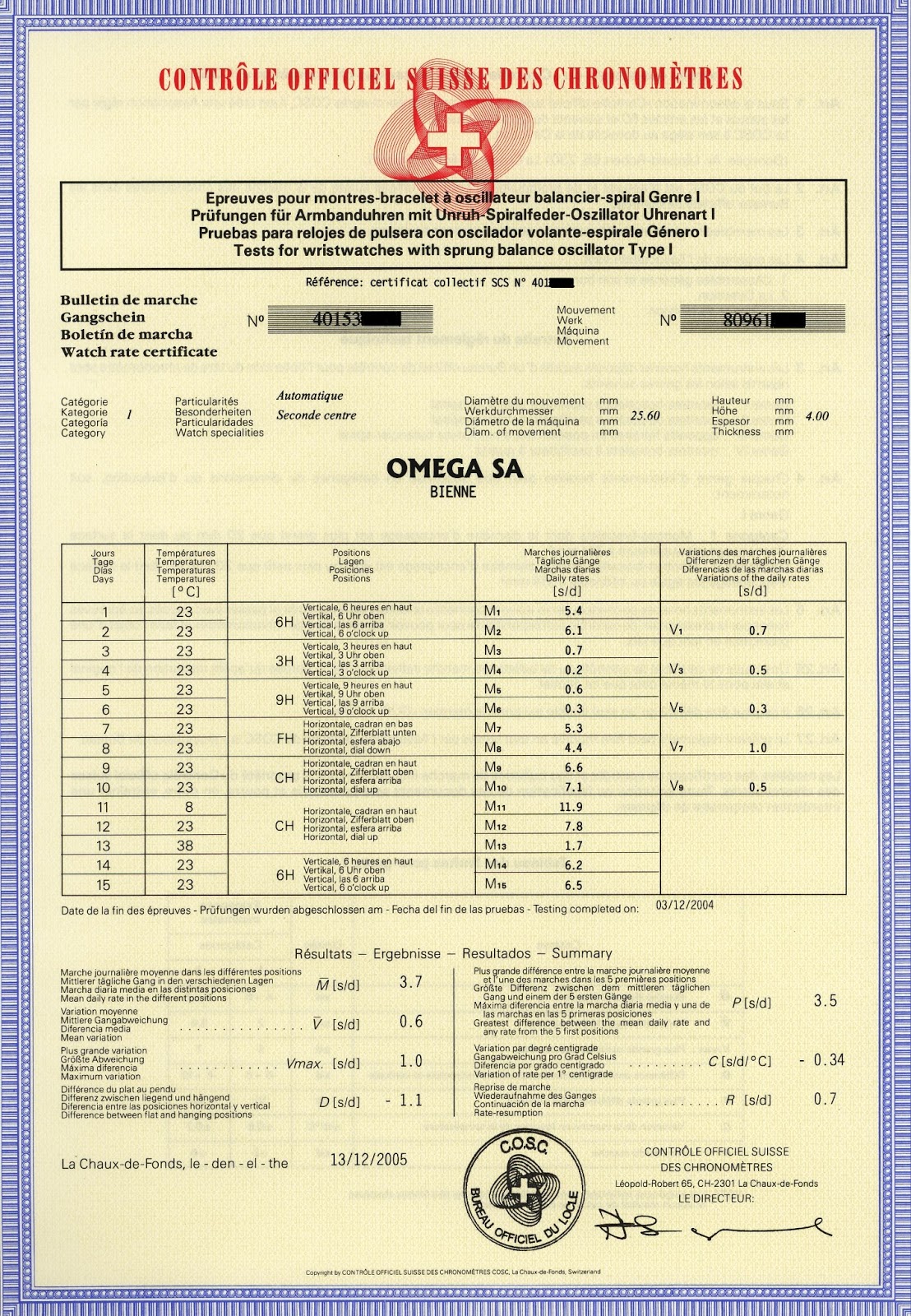
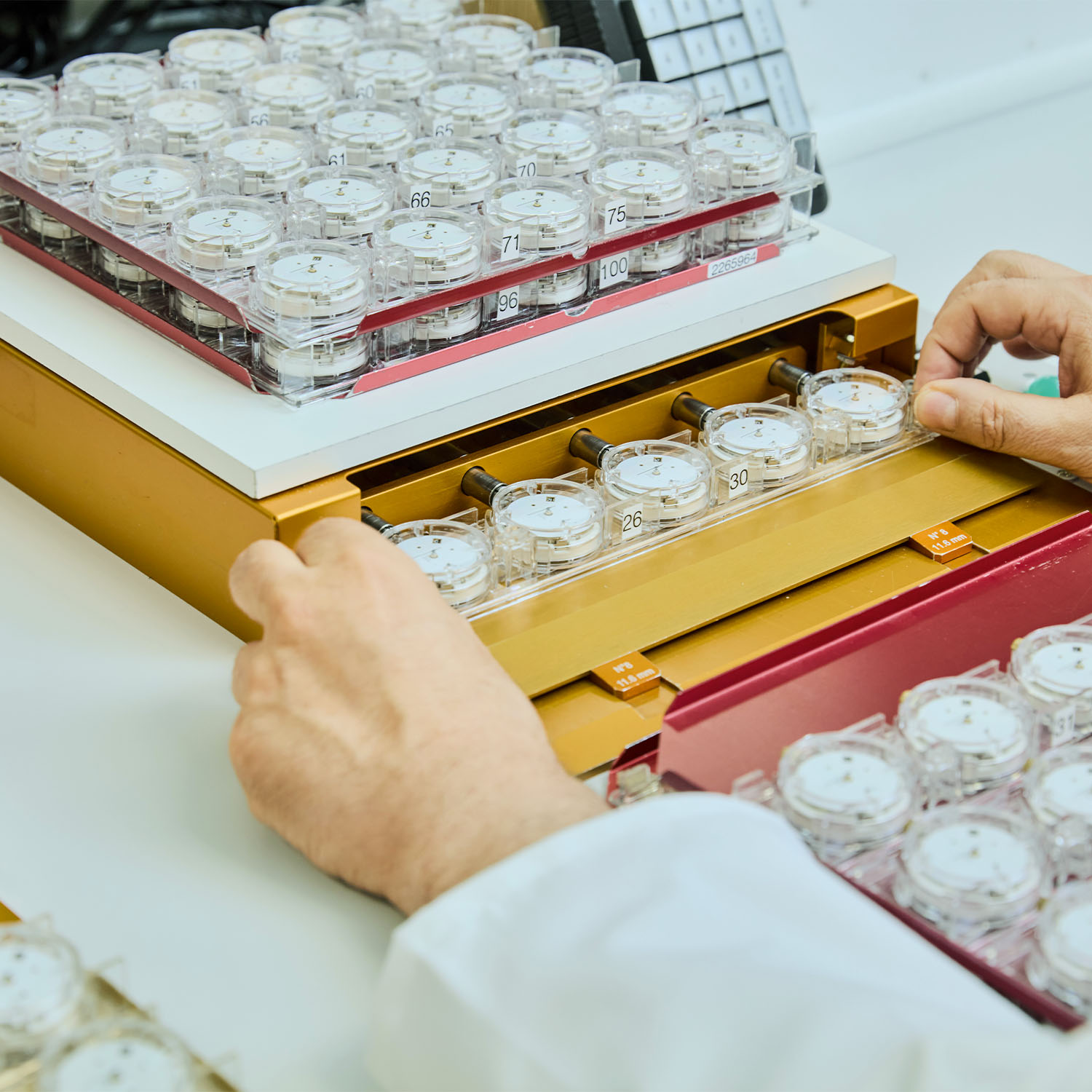
A chronometer is a watch that has been tested in accordance with the ISO 3159 standard for “Timekeeping Instruments – Spring Balance Oscillator Wrist Chronometers”. A certified chronometer goes one step further and is certified as a chronometer by a third party, such as the COSC or another official authority. The COSC independently conducts a series of tests over a 15-day period, with watchmakers sending movements to one of its facilities. “The controls carried out by the COSC consist of static tests carried out in the laboratory. Each individual movement/watch is subjected to a series of tests specific to each of the four types, on several consecutive days, in five positions and at three different temperatures.” In summary, the COSC measures seven criteria, including the known average daily rate of -4/+6 seconds per day. This alone isn't enough to make a watch a chronometer, but it does give a solid indication of what to expect.
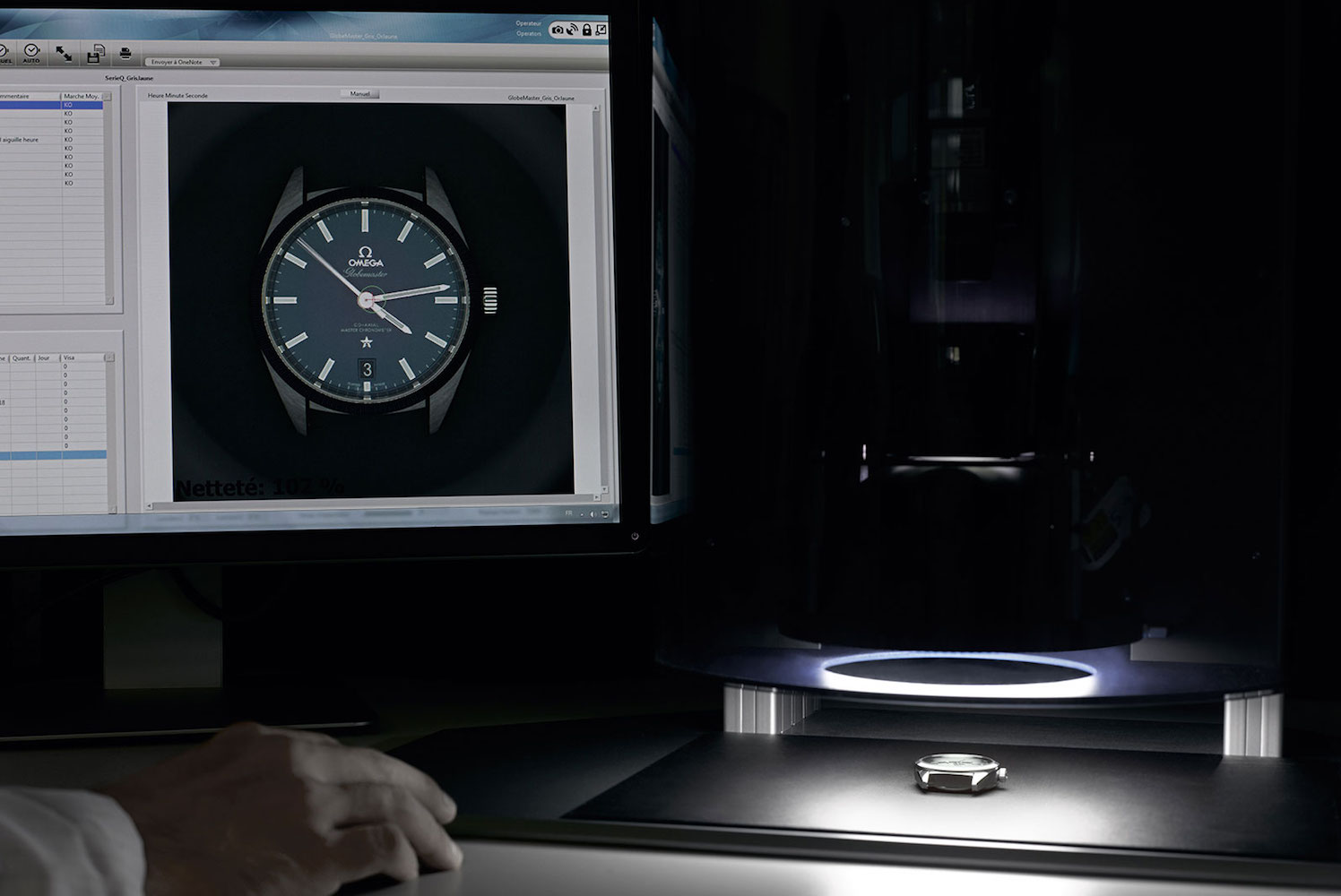 The Master Chronometer testing procedure defined by Omega and METAS
In recent years, other initiatives such as the Master Chronometer jointly developed by Omega and METAS have raised the bar for certification to a whole new level. In addition to stricter deviation standards (0/+5 seconds per day, i.e. twice as precise as COSC), Master Chronometer particularly includes the testing of clock movements and watches in extremely high magnetic fields (up to 15,000 Gauss) as well as the testing of water resistance, durability and power reserve.
There are other initiatives such as Qualité Fleurier (which adds several quality criteria to the initial COSC certification) or the Poinçon de Genève, now part of TIMELAB (here too, COSC is a requirement and then quality, origin and finishing criteria are added). But that's only one side of the coin, because many of the big Swiss brands have developed their own internal certifications. Of course, official chronometer certification by an independent body is still a requirement, but then there are a number of much more stringent criteria. For example, Rolex and its Superlative Chronometer certification only accepts daily deviations of -2/+2 seconds per day. Omega recently introduced Laboratoire de Précision, a new chronometer certification designed to compete with COSC, open to all brands and officially authorized by SAS (the Swiss Accreditation Service). Finally, Patek and its internal seal guarantee breathtaking precision with a tolerance of no more than -1/+2 seconds per day.
All of this means that the older COSC certification under the ISO 3159 standard seemed a bit outdated compared to the competition's offerings. And probably doesn't meet current expectations.
The COSC Excellence Chronometer
The mission of the Contrôle Officiel Suisse des Chronomètres (COSC) remains of course the same; as an independent body that tests the precision of Swiss-made watches “through a neutral, independent and rigorous method”. However, as the competitive environment has evolved rapidly and brands' and customers' expectations of watches have changed over the years, the basic “Certified Chronometer” standard is no longer sufficient. However, this first level of certification will still exist as a performance feature, but now with the new Excellence Chronometer certification, brands have the opportunity to move up a level if necessary.
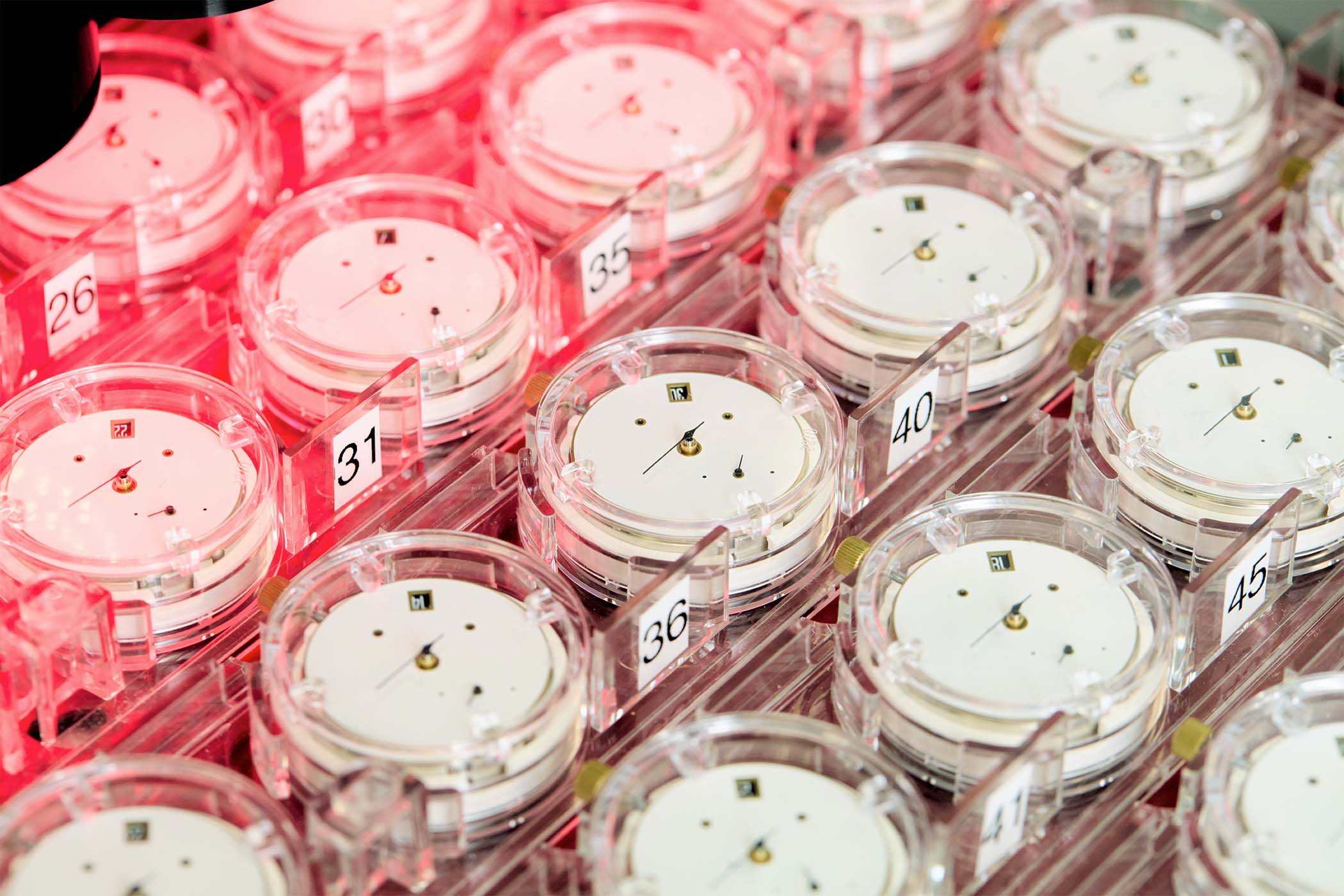
So what is this Excellence Chronometer certification all about? In short, stricter precision standards and the addition of criteria to make the certification relevant in today's context. In the COSC’s own words: “It will matter a daily gear tolerance of 6 seconds instead of 10, magnetic resistance up to 200 Gauss and Checking the stated power reserve. In addition, watches are tested under such conditions accurately simulate real wear.”
The new certification builds on what the COSC certification defined as a certified chronometer according to the seven criteria of the ISO 3159 standard. Once the movements are certified as chronometers, they are returned to the manufacture in the case. Complete watches are then evaluated for five additional days. Using a robot that can simulate average wear and tear on the wrist, the watch's precision is tested for 24 hours under semi-dynamic conditions. A measurement is then carried out The average daily rate must be between -2 and +4 seconds per day (instead of -4 and +6 seconds per day for the standard COSC certification). In this respect it is certainly better than what the COCS used to set as the standard, but it remains far from what brands like Rolex or Patek Philippe offer and it is closer to what the Master Chronometer certification requires. Why doesn't the COSC set even stricter standards? Aside from the complexity of having mechanical watches regulated to a daily rate tolerance of less than 3 to 4 seconds, such a criterion could potentially exclude many market participants, such as watches equipped with outsourced movements from Sellita or other third-party movement manufacturers. It is not impossible, but requires large investments in precision manufacturing.
Next comes the clock exposed to a magnetic field of 200 Gauss while maintaining its performance. Here we need to compare this level of magnetic resistance with several other industry standards to assess its relevance. Let's start with the basic rule, ISO 764 or the corresponding DIN 8309. A watch must withstand a direct current magnetic field of 4800 A/m, which corresponds to around 60 Gauss. In 2020, a new version of the ISO 764 standard was published, requiring “watches with increased magnetic resistance” and a resistance to DC magnetic fields of at least 16,000 A/m, which is approximately 200 Gauss – exactly what the COSC uses in its new Excellence Chronometer certification.
But then the environment changed drastically over the years. Let's start with Rolex, which released the Milgauss model in the mid-1950s. Designed for scientists who work closely with magnetic fields, this watch can withstand fields of up to 1,000 Gauss (hence the name), or about 80,000 A/m. In 1989, IWC released the Ingenieur 3508, which could withstand magnetic fields of up to 500,000 A/m, or about 6,300 Gauss. And then there is the Master Chronometer certification, which tests watches up to 15,000 Gauss, or around 1,120,000 A/m.
We must take into account that today we are surrounded by magnets. Our phones, the refrigerator door, speakers, headphones, electric cars… They are everywhere and our watches are constantly exposed to them. There is a reason why so many brands now equip their watch movements with magnet-resistant hairsprings made of silicone or Nivachron. This is where the new Excellence Chronometer certification from COSC falls short. Testing watches in a 200 Gauss magnetic field could be three times more rigorous than before; It's still small compared to what the rest of the industry can do.
Thoughts
On the one hand, we can only praise the COSC for setting a new and stricter standard with its Excellence Chronometer certification. Precision is the key to mechanical watchmaking. It is his true nature. What is a watch if it cannot tell time accurately? COSC delivering (among other things) a new chronometer standard of -2/+4 seconds/day is certainly great news. The fact that the COSC now also tests complete watches and not just movements makes the entire testing process far more relevant, since classic chronometer certification only tested movements (and the subsequent case process can affect the performance of the movement in the watch). Finally, the simulation of wearing it on the wrist is a great addition.

But it's not enough. There is more to a modern mechanical watch: higher magnetic resistance, quality, origin of parts and bienfacture (craftsmanship). And on all of these criteria, COSC's Excellence Chronometer falls short of expectations compared to the rest of the industry.
The integration of COSC's Excellence Chronometer certification into the organization's environment has already begun, and in March 2026 the first pilot tests will be carried out in COSC laboratories to validate procedures and support brands in this adaptation phase. Rollout will begin from October 2026, when brands will fully embrace the new process and the first watches certified to these newly defined standards will hit the market.
Further information can be found at www.cosc.swiss.
https://monochrome-watches.com/industry-news-cosc-excellence-chronometer-new-stricter-standard-in-chronometry/