The independent watch scene is as wide as it is deep and we regularly come across new and exciting projects and brands. And since independent watchmaking is also the focus at MONOCHROME Watches, we try to offer you as many of them as possible. For the next new indie discovery called Juha Eskola, we're heading back to Finland, a country with a remarkably high concentration of talented watchmakers, both experienced and new. When Juha Eskola began his watchmaking studies, he had a very clear goal in mind that we can fully support: to become an independent watchmaker.
A 36-year-old watchmaker based in Helsinki, Finland, Juha Eskola creates unique and limited edition watches with a lot of craftsmanship. When he's not sitting behind the bench, he says he's usually taking orders from his 4-month-old daughter. Whenever he has a bit of free time, which I think is very rare with small children, he also enjoys playing the guitar, painting and playing tennis. But above all, it is his passion for watchmaking that drives him forward.
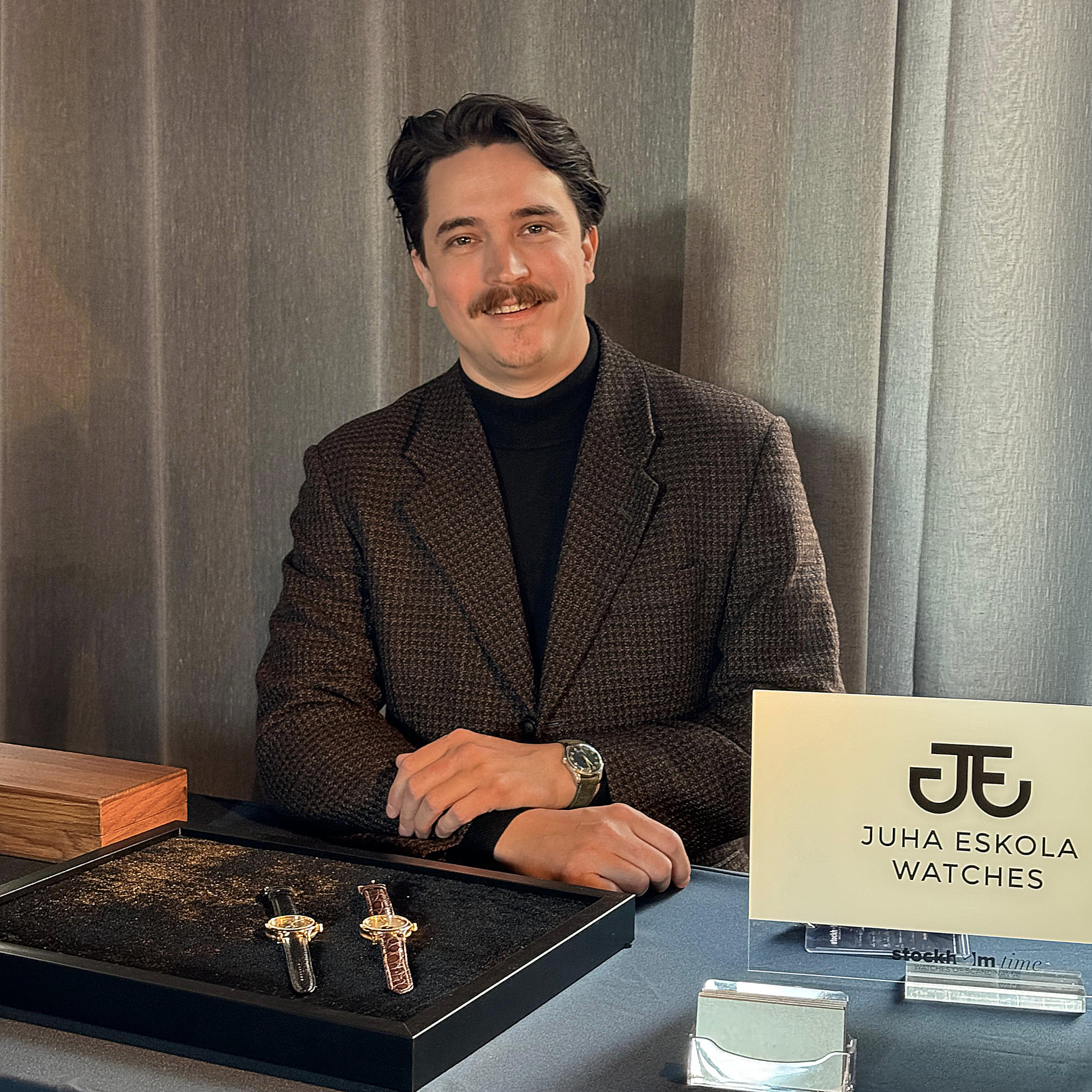
Robin, MONOCHROME Watches – Yay, where does your passion for watchmaking come from?
As a child, I wore a watch on my wrist 24 hours a day. In the early 2000s, I took a short break from watches as my Nokia 3310 took over my timekeeping. In 2005 we went on vacation with the family and there I saw an automatic watch for the first time. It had a skeletonized movement and an open dial. I was completely mesmerized by it.
From that moment on, my interest in mechanical watches grew year by year. When I finished my marketing studies at the University of Turku, I realized that Excel and PowerPoint weren't for me. I wanted to create something with my hands. Combining my interest in watches with my passion for making things, watchmaking seemed like a natural fit at that point, so I decided to go for it.
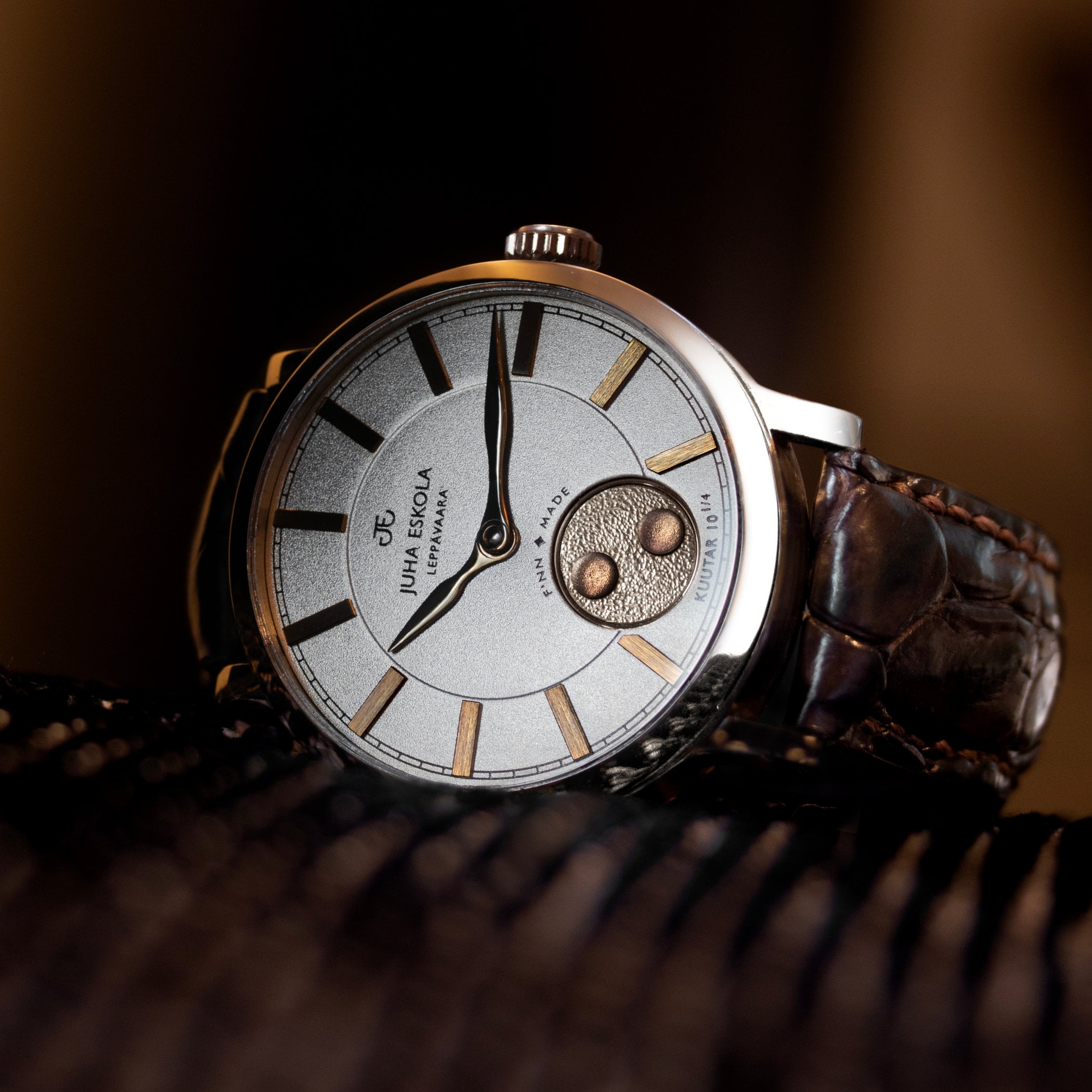 The Juha Eskola N1
What attracts you to watches and who inspires you?
At heart, I'm a guy who puts aesthetics first. But just like with music, art, books and other media, my tastes are very diverse. While I can appreciate a simple dress watch, I like a complex, eccentric design just as much.
However, one thing I'm always looking for is balance. The case, dial and hands must be perfectly proportioned. Once you get the basics right, there are almost no limits to your creativity. While there are many great classic designs, it's often the ones with a touch of curiosity that really stand out and make you think. That being said, I don't believe in doing things different or weird just for the sake of being different. Even these particular design decisions must be purposeful and serve the design as a whole.
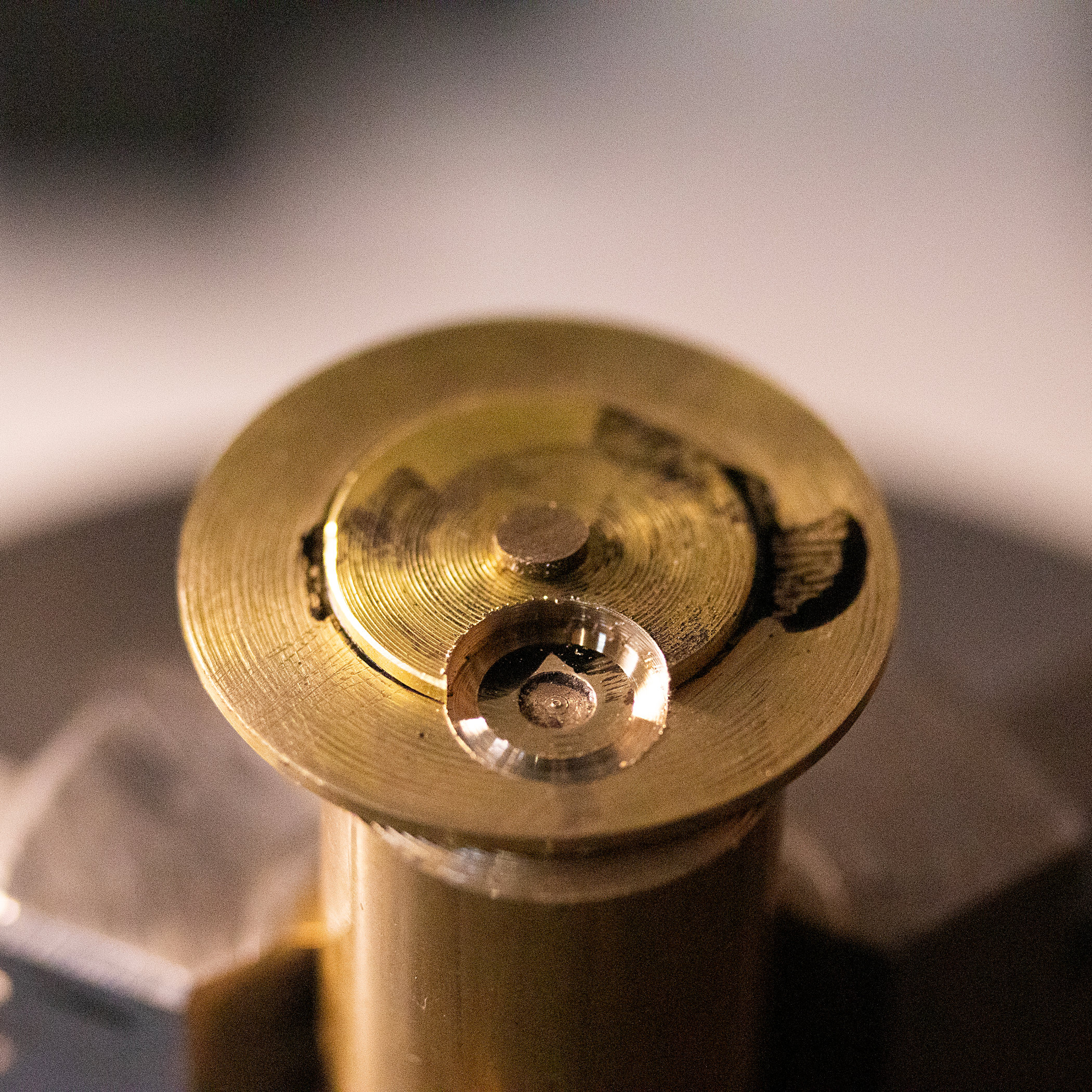
Cutting and rotating the dial
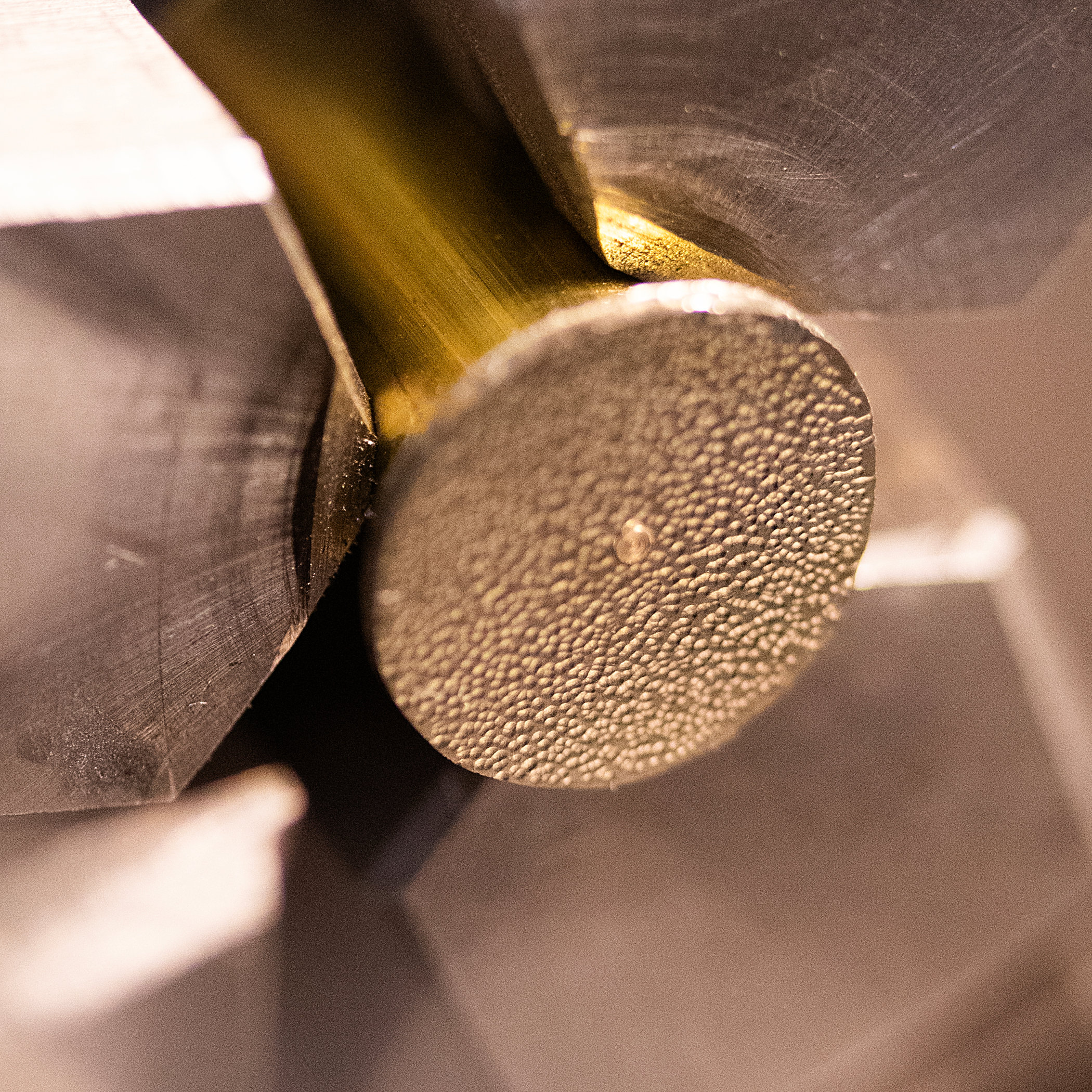
The completion of the moon phase disk in N1
I am inspired by people who pursue their passion and do their own thing without compromise, regardless of their medium. From the world of watches, Kari Voutilainen is definitely a big inspiration. As a graduate of the same watchmaking school, he showed Finnish students that there are no limits for a Finnish watchmaker. Outside of the watch world, some of the people who inspire me are legendary musicians like Steve Vai and great artists like Paul Cézanne.
You studied watchmaking in Finland and graduated in 2018. What did you do then?
Making watches under my own name was the only reason I applied to the Finnish watchmaking school. I didn't have a plan B. Going out alone gives me the freedom to implement my vision without compromise. After graduating, I began to expand my skills and develop the first prototypes of the originally planned watch.
Their debut watch was the N1. What is the philosophy behind it?
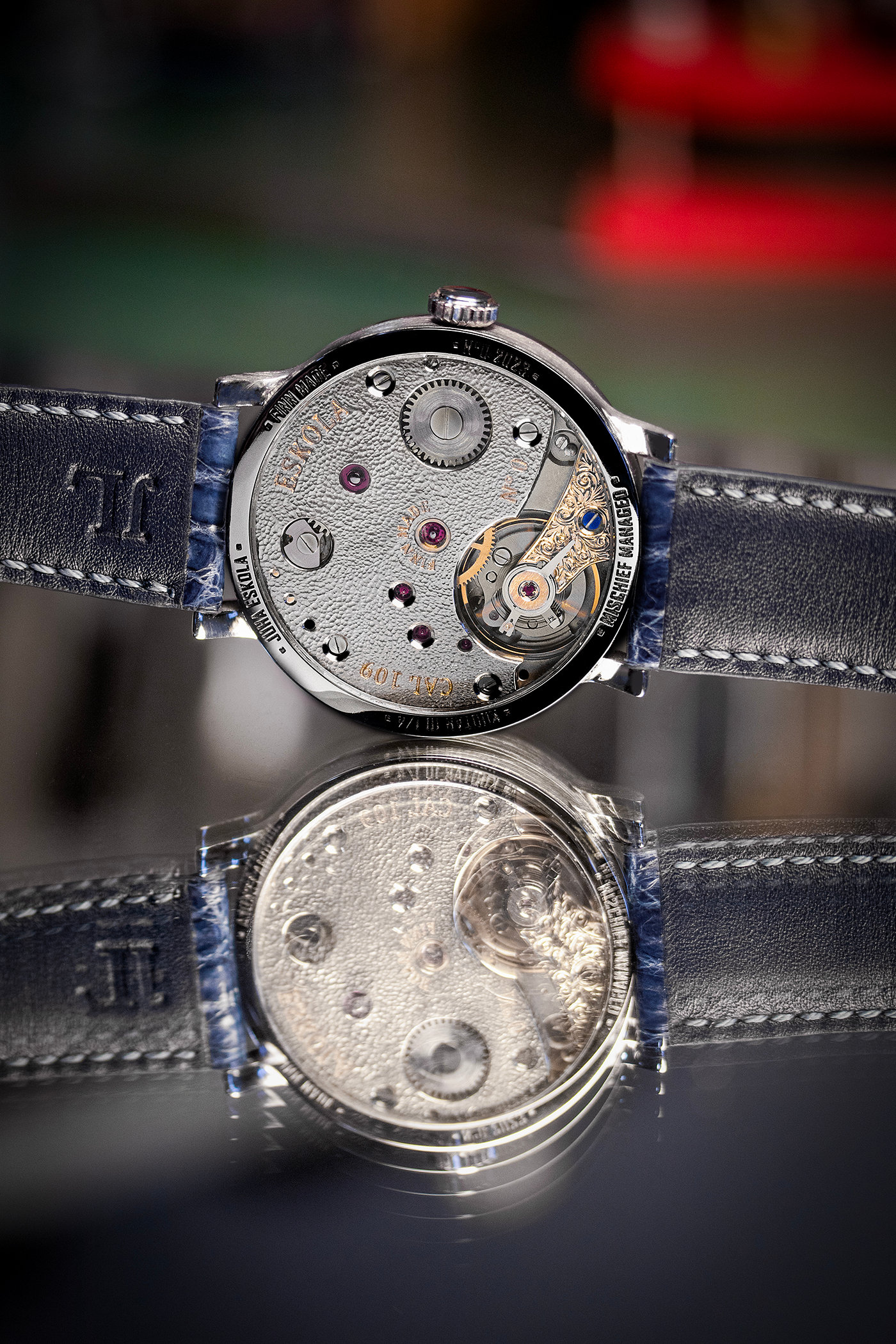
The driving philosophy behind the N1 was simply to make a watch by hand and write my own name on the dial. The N1 was also built around two special features: a moon phase and a nickel silver three-quarter plate bridge.
The moon phase has always been my favorite complication. There is something mystical and inspiring about the moon. Even before I started studying at the Finnish Watchmaking School, I knew that I wanted a three-quarter plate bridge in my watch. And specifically, the ratchet wheel had to be hidden under the bridge. At the time, I really liked the clear interpretation of the three-quarter plate bridge by A. Lange & Söhne, and that was definitely the source of inspiration. Everything else was built around these two features. In hindsight, I can easily say that the strongest driving force was borderline stupid stubbornness. Sometimes it pays off.
What was the biggest challenge in developing this watch?
The biggest challenges were limited resources. While the school gave me an excellent foundation, I had no experience making a watch from scratch. My workshop was also very modest and I had to do many things by hand that would normally be done by machine.
At the same time, I still had to make a living. These are challenges that many aspiring watchmakers face, and in many ways this is part of the process. Looking back, the development of the N1 was like attending a second watchmaking school.
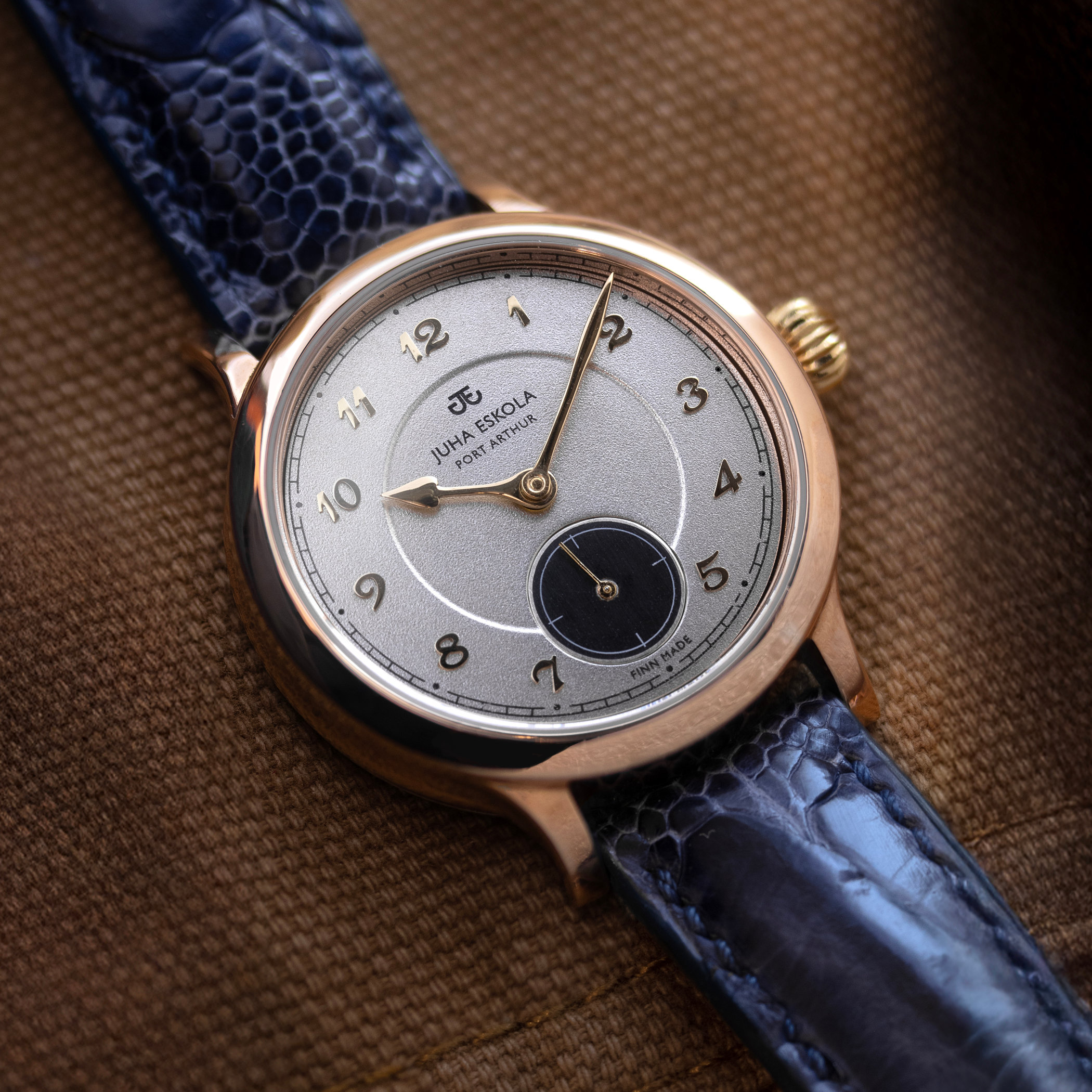
 The Juha School N2
The next step was the N2. How does it compare to the N1? What changed from one to the other?
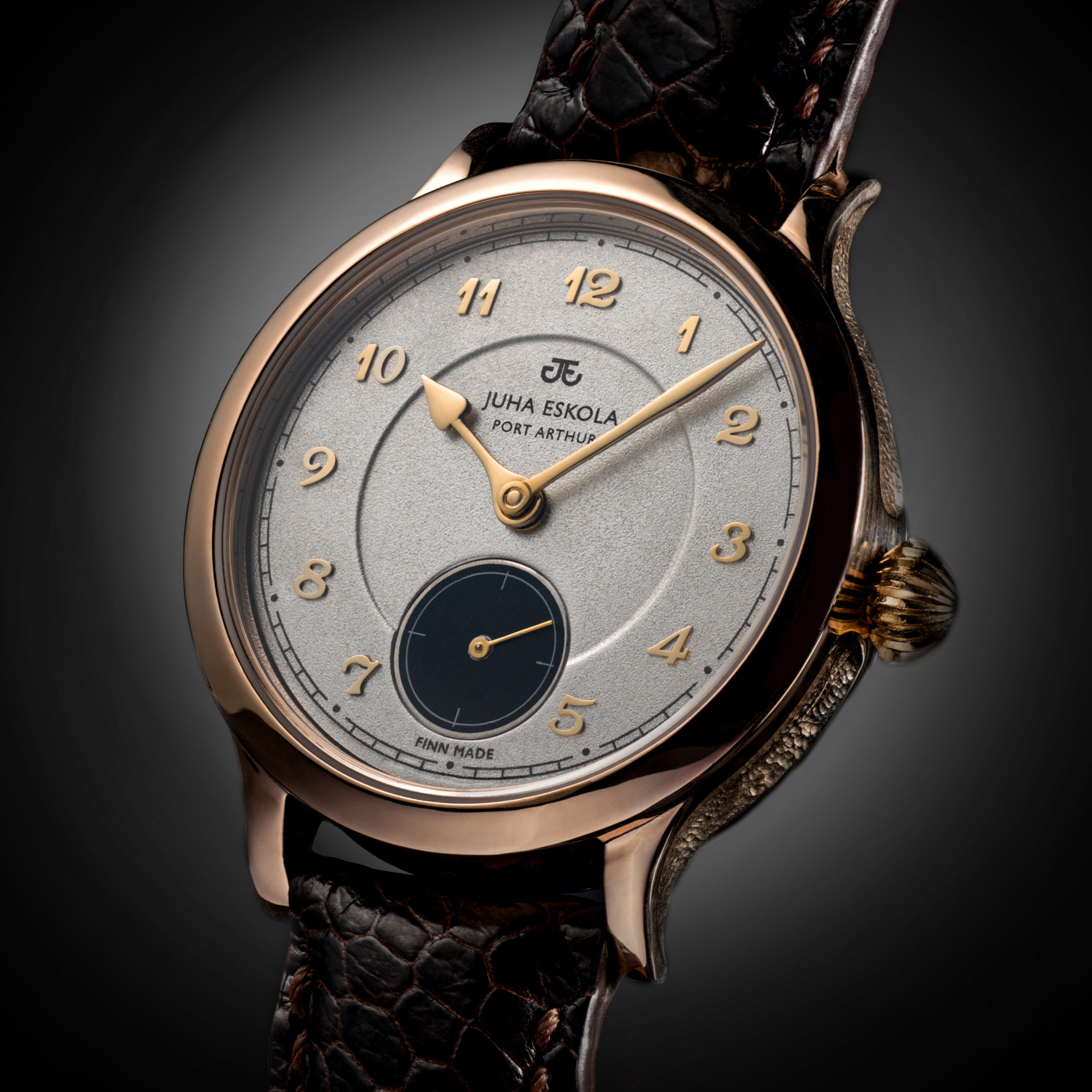
The biggest changes were in size and case material. I wanted to make a classic dress watch with a 37mm gold case. Although the two watches have a similar classic design, the smaller gold case and small seconds subdial make a big difference. However, the philosophy behind the manufacturing process remains the same.
Why did you choose a vintage Longines 30L caliber as the base movement?
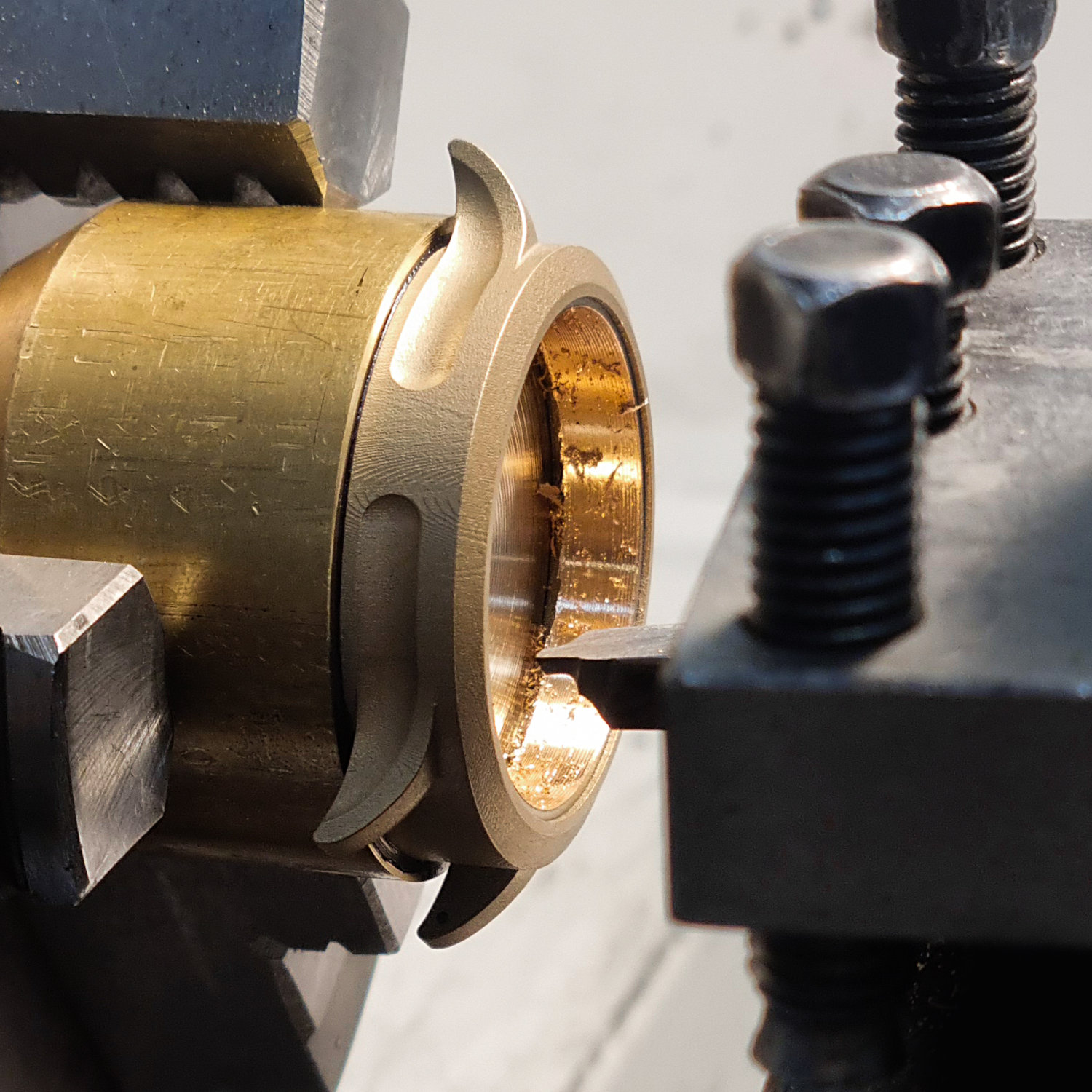
As mentioned before, I wanted to make a classic dress watch and the ETA 6498 used as the base movement in the N1 was simply too big. I wanted a hand-wound movement, and there really aren't many suitable options among modern movements. A manufacture caliber was out of the question at that time.
The first iteration of the N2 was actually two one-off pieces that I made for my parents. After they got married, they purchased a pair of matching Longines watches, so I felt a Longines movement would be a sensible choice. That's when I discovered the Longines 30L caliber. It is the perfect size and overall is a high quality movement with a wonderfully balanced layout.
You work a lot in your own studio. Can you tell us more about it?
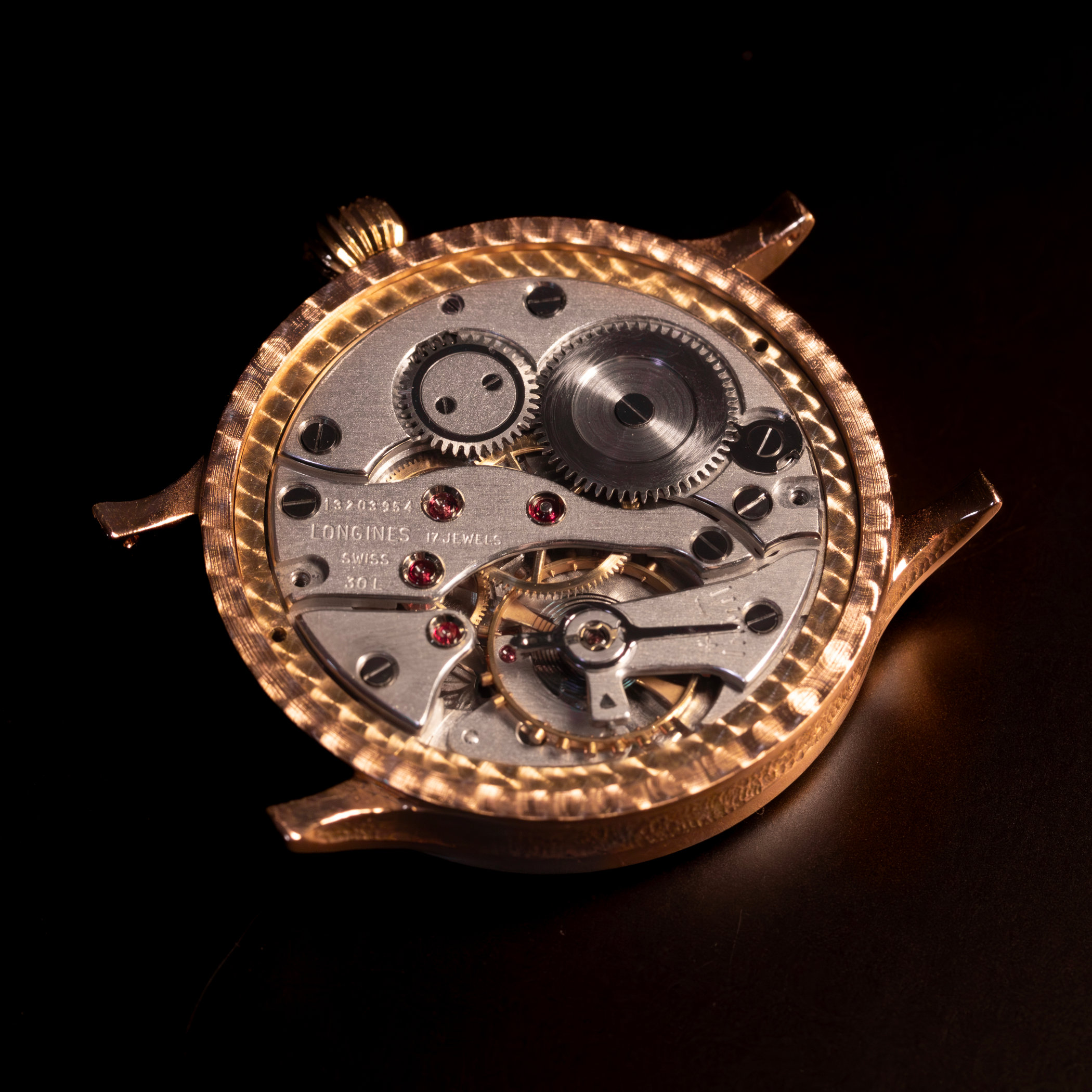
From the beginning I wanted to make watches and not just design them. I enjoy working with simple tools and making things the old-fashioned way. Of course I don't make everything myself, but I still spend over 100 hours on each watch. With a few exceptions, almost the entire case, hands and dials are manufactured in-house. For example, the applied Arabic numerals come from a dial factory in Switzerland. However, I also take care of the complete finishing of the movements.
I share a workshop with Pietari Kupias and Reima Koivukoski, which creates a nice synergy as we can delegate work to each other but also exchange and discuss ideas. I am constantly learning new skills and applying them in prototypes. My goal is to become even more independent in the future.
They are about to launch their next watch, an evolution of the N1. Can you give us a little hint of what to expect?
Let's just say it gives you the best of both worlds, N1 and N2. With a little imagination you might be able to deduce what it will look like.
Looking ahead, what do you hope to achieve with your own studio?
I will continue to pursue my dream of creating unique and limited edition timepieces that reflect my vision of beauty and practicality. If I can make watches that I'm proud of and that put a smile on people's faces when they wear them, I've achieved more than I ever imagined. As far as design goes, I also want to explore the more creative and artistic side of watchmaking, with something completely new planned for later this year.
I hope to give back to the community in the future by supporting young aspiring watchmakers. With my experience gained through trial and error, perhaps I can help someone avoid some of the most common pitfalls along the way.
How can people get in touch to find out more or potentially purchase a watch?
People can always email me, use the contact form on my website, or DM me on Instagram.
For more information, visit JuhaEskola.com.
https://monochrome-watches.com/portrait-independent-watchmaking-juha-eskola-finland-n1-n2-moonphase-eta-6498-longines-30l-interview/