Now that the dust has settled on Watches and Wonders 2026, it's time to look beyond the key innovations presented during the show. More importantly, it's time to focus on the key trends that emerged both during the show itself and through its associated product launches. Beyond individual new releases, this year's edition confirmed several long-term directions in contemporary watchmaking while introducing some truly new trends that are worth keeping a close eye on.
Minor cases are the new normal
One of the clearest continuations of a trend identified in recent years is the steady development towards smaller watch diameters. What once seemed like a correction now appears to be firmly established: for men's watches, the new standard is increasingly between 36mm and 39mm, a notable shift from the 40mm to 43mm (or even larger) standard that dominated the market a few years ago.
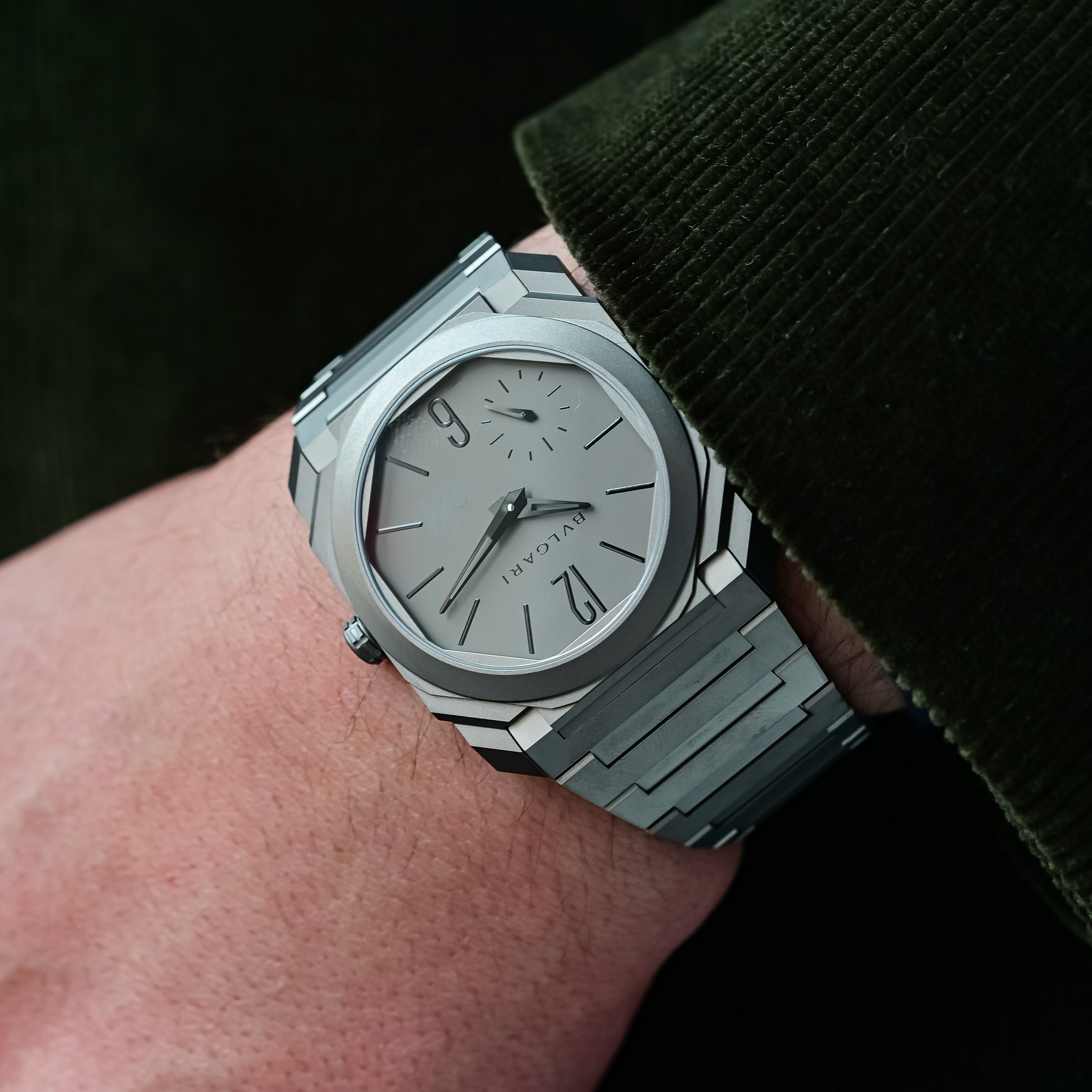
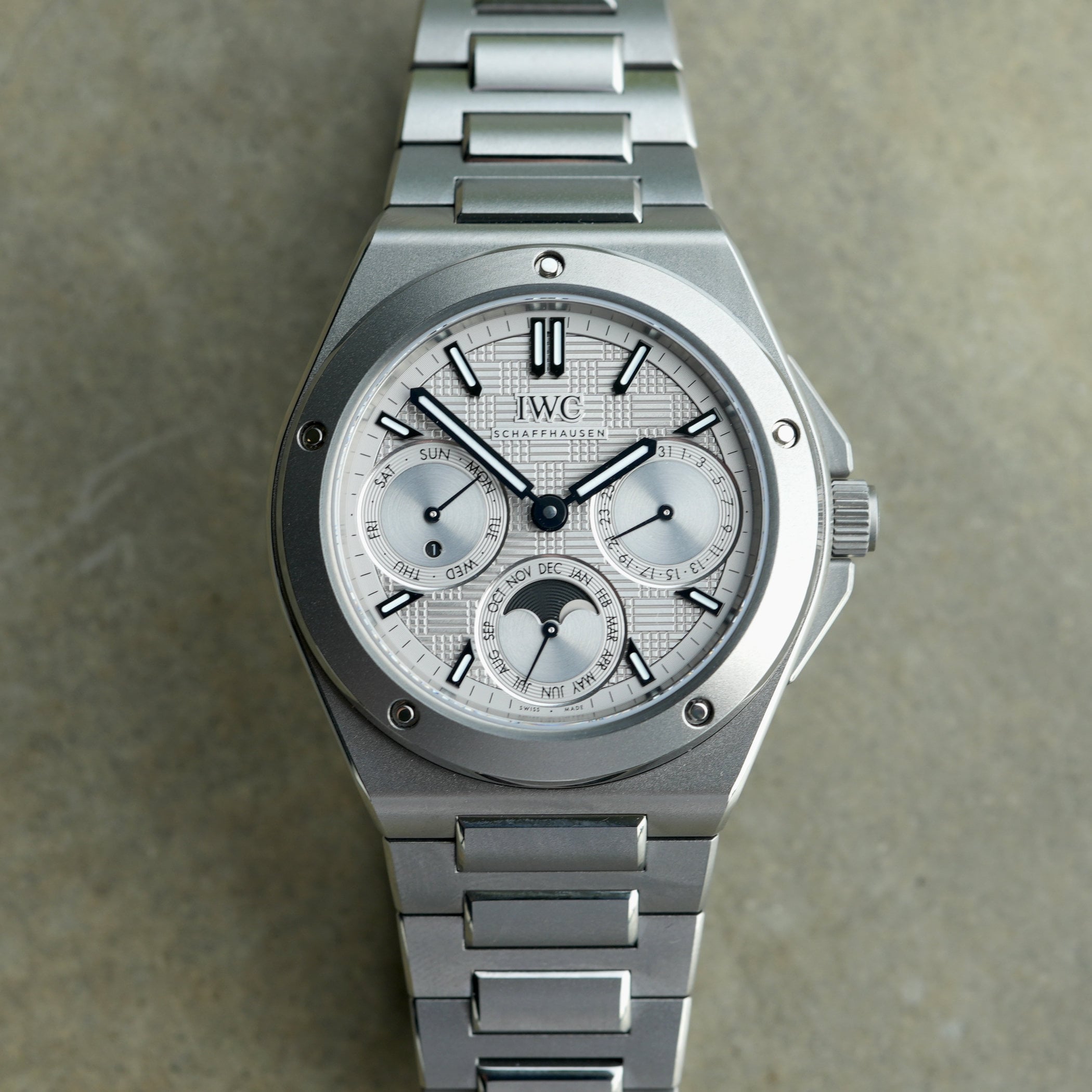
Perhaps the best example of this is Bulgari's Octo Finissimo 37mm, a watch that perfectly captures how compact proportions can work in perfect harmony with time. At IWC, even the Big Pilot Perpetual Calendar, a watch that used to be over 46 mm in diameter, has been downsized. At 42mm, the Big Pilot loses a touch of its bold, distinctive presence, but reflects today's trend towards more restrained proportions. It has simply become suitable for everyday use without necessarily being a statement watch.
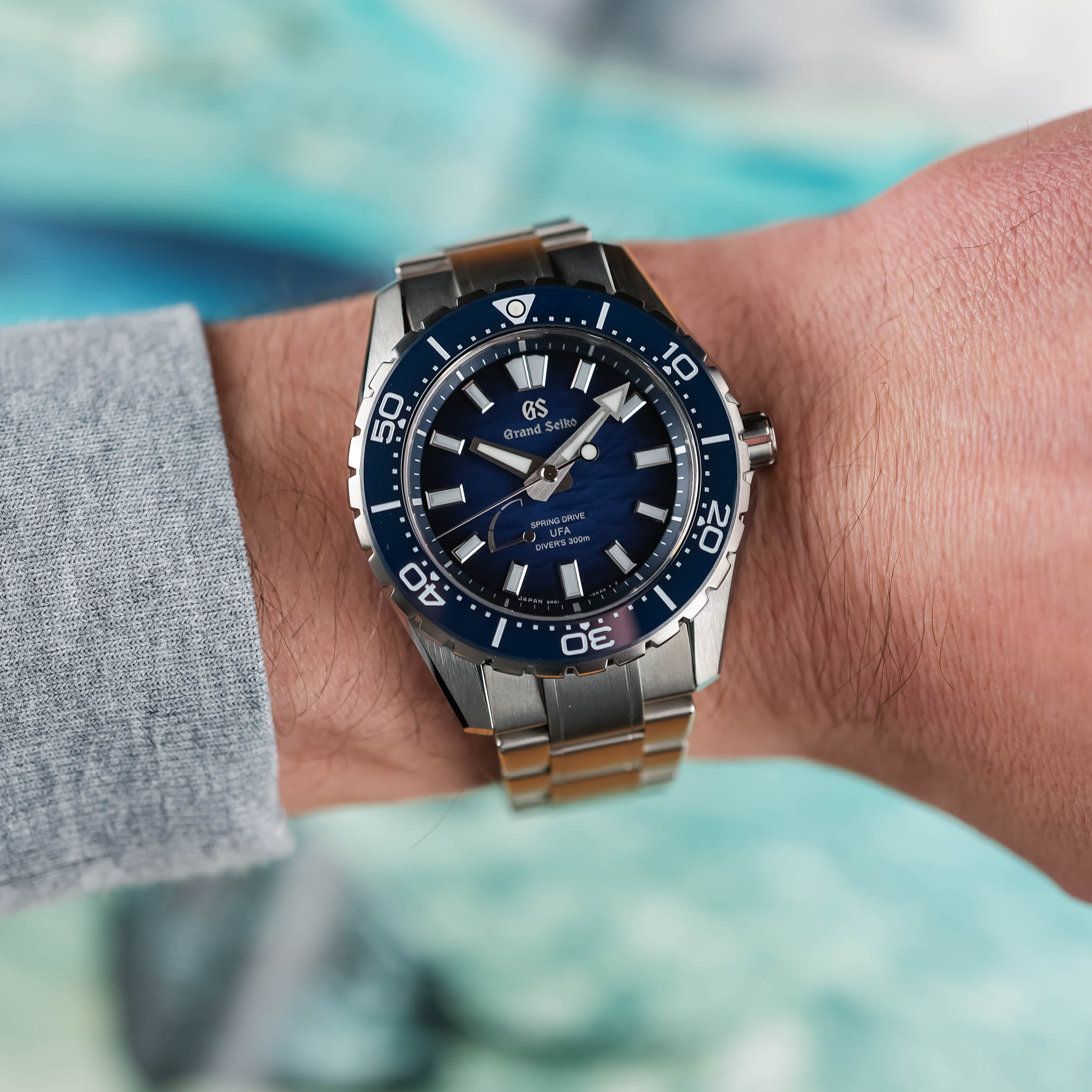
Classic watches and even complications are of course following the trend towards smaller cases, such as A. Lange & Söhne with its 36mm Saxonia annual calendar, but sports watches are also getting smaller as Grand Seiko introduced its most compact diving watch to date, the sub-41mm Ushio 300 Diver.
Always vintage and historical inspirations
Another important theme is the continued appetite for vintage-inspired pieces. Brands continue to explore their archives, drawing on past successes. Some might argue that this indicates a lack of inspiration; On the other hand, it is also a way to create timepieces that feel reassuringly familiar, an important factor in the context of a difficult market for the watch industry.
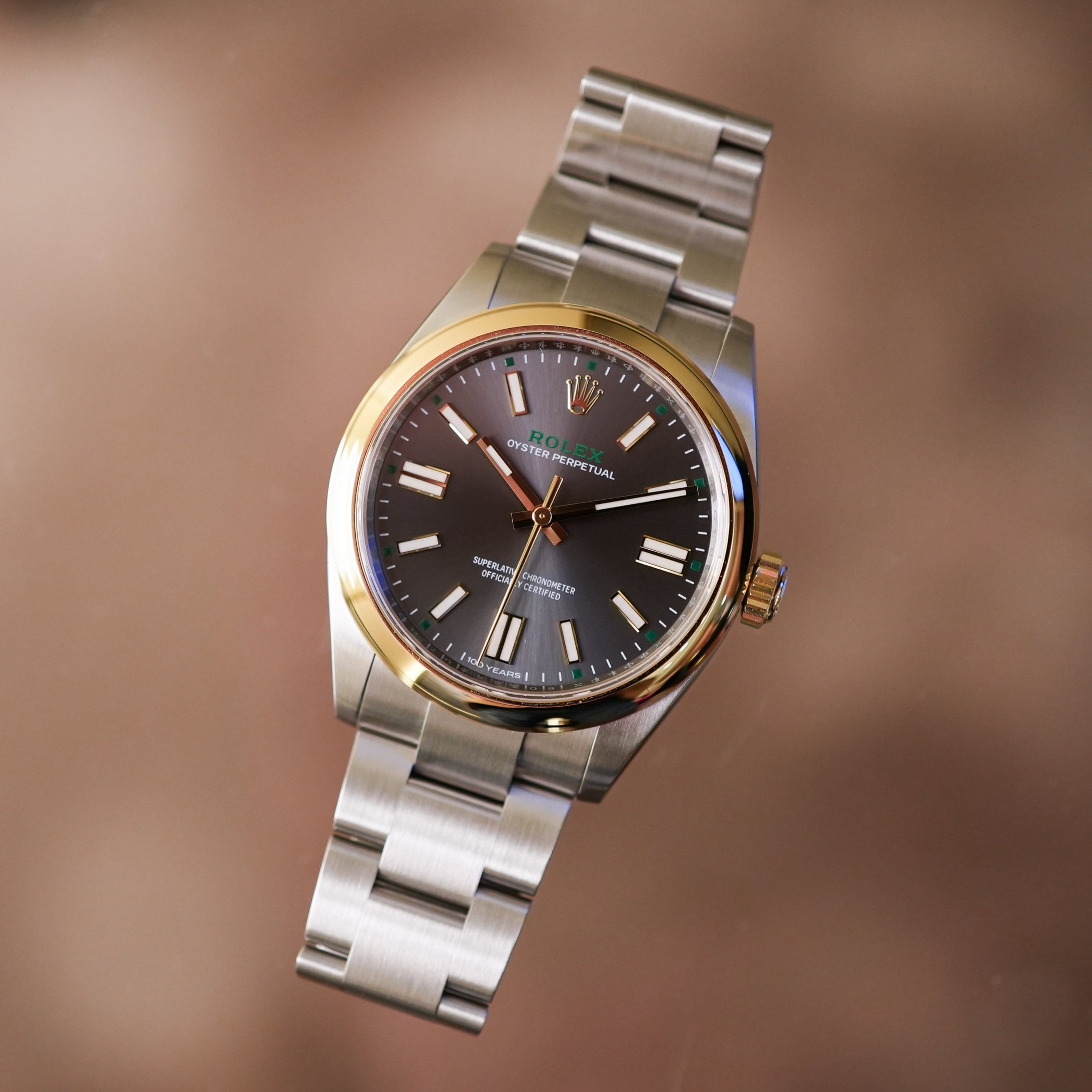
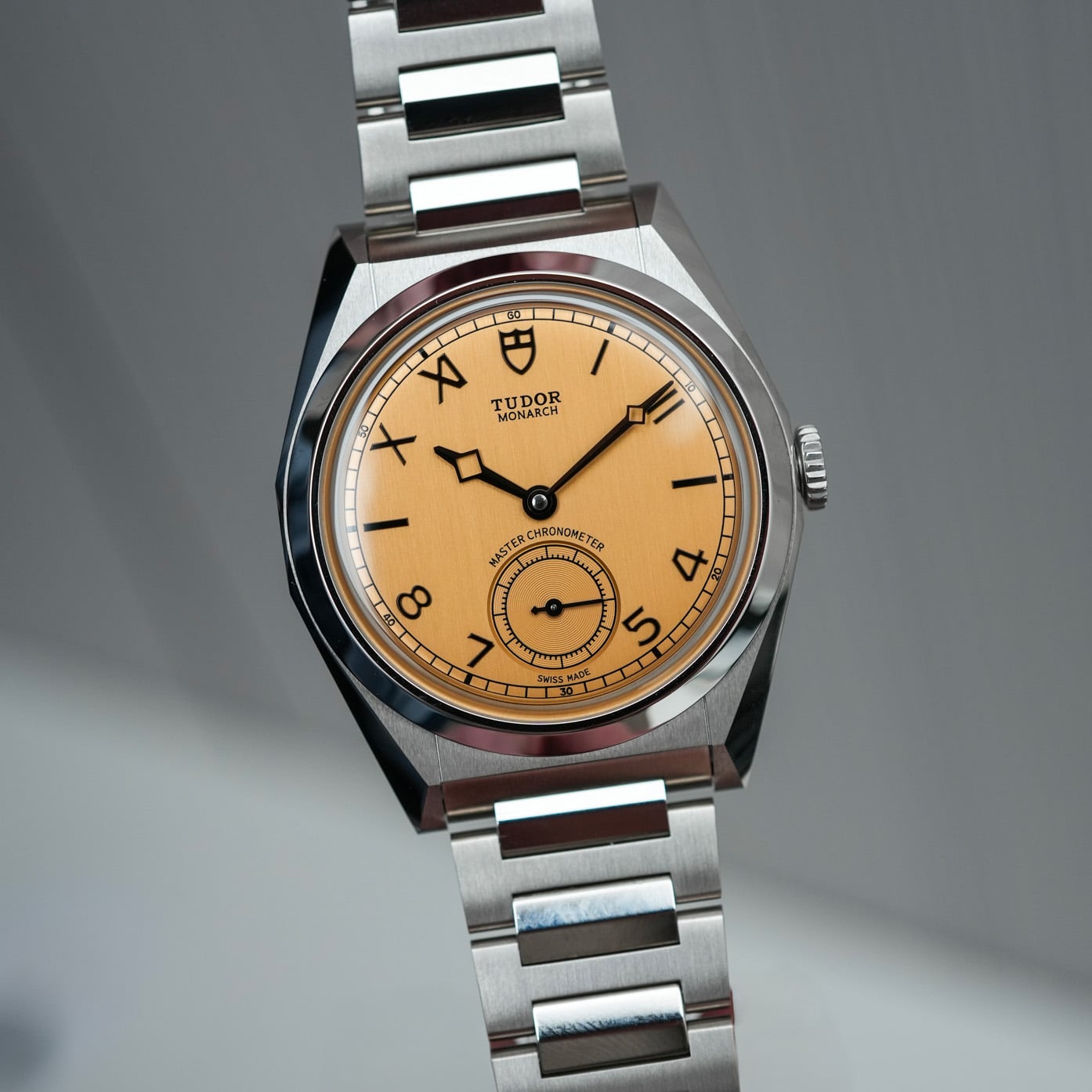
Of course, anniversary models played a role, with notable examples from Rolex around the Oyster Perpetual and Patek Philippe with the 50th anniversary of the Nautilus. But beyond the anniversaries, we also saw real revivals, including Tudor's Monarch, Favre-Leuba's Harpoon, Credor's Locomotive and Cartier's return of the Roadster.
Even brand relaunches leaned heavily on heritage. One of the most anticipated relaunches of the year, the return of Universal Genève under Breitling's leadership, was largely based on this dynamic.
Stone dials and bold colors
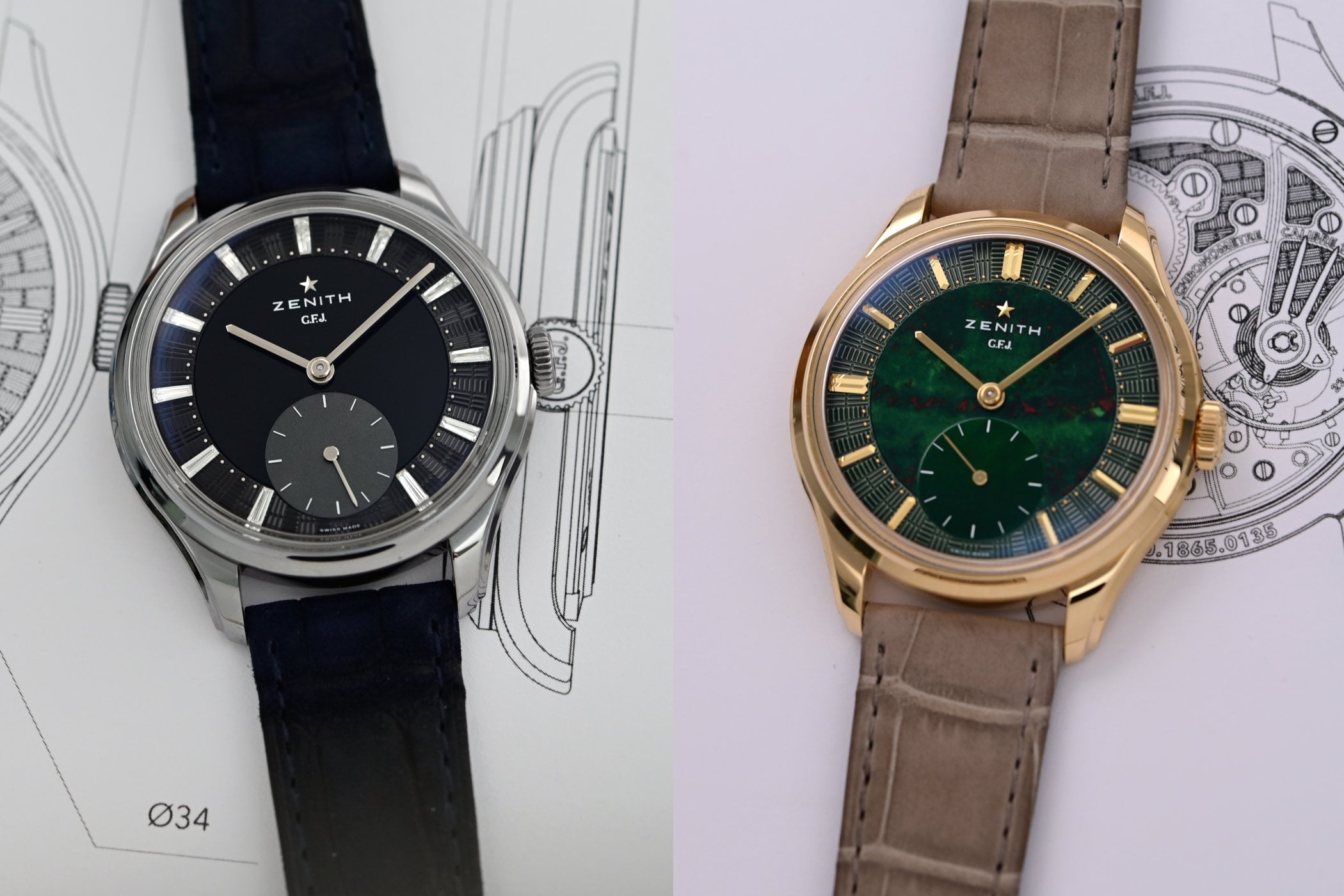
Color (particularly green and blue) remains the focus, but the stone dials in particular stood out as the defining aesthetic signature of the year, even more so than last year. Examples abounded: sodalite on the Piaget Polo 79, jasper and onyx on the Zenith GFJ, green aventurine on the Rolex Day-Date, and many others. These materials provide structure, individuality and a strong decorative dimension that is beautifully showcased in high-end watchmaking.
Materials beyond classic steel or gold
Materials played an important role in setting the show's design direction, particularly titanium. It was widely used across all types of watches and reflected a shift towards lighter, more wearable luxury watches. In addition to titanium, brands also made extensive use of precious metals such as gold and platinum, while ceramics and other high-tech composite materials continued to gain importance. Tantalum, a material that was previously only available in a few models, is becoming increasingly popular, as the new editions of the Zenith GFJ and the Moser Concept QP show.
In a more “experimental” atmosphere, Rolex introduced a new gold alloy to its already large portfolio of proprietary materials, with a new, soft hue called Jubilee Gold.
Exposed mechanics
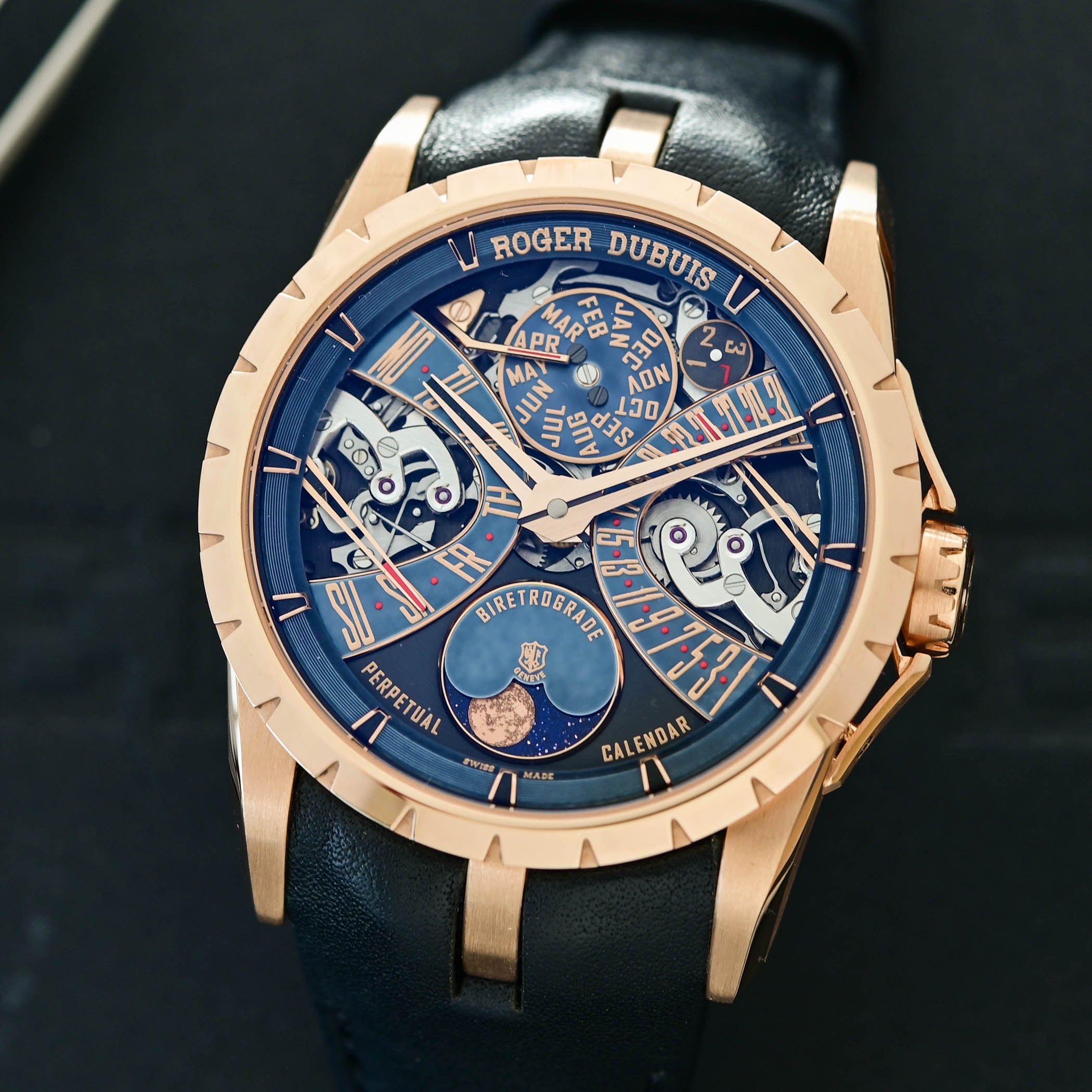
Another notable trend was the emphasis on openwork watches that show off their mechanics. This approach highlights the craftsmanship, depth and complexity of the movement while appealing to collectors who value technical transparency and artistic engineering. This was illustrated by Hublot with the Big Bang Reloaded, Roger Dubuis with the Excalibur Biretrograde Perpetual Calendar, Hermes with the H08 Skeleton or Zenith with the Chronomaster Sport Skeleton.
The year of the chronograph
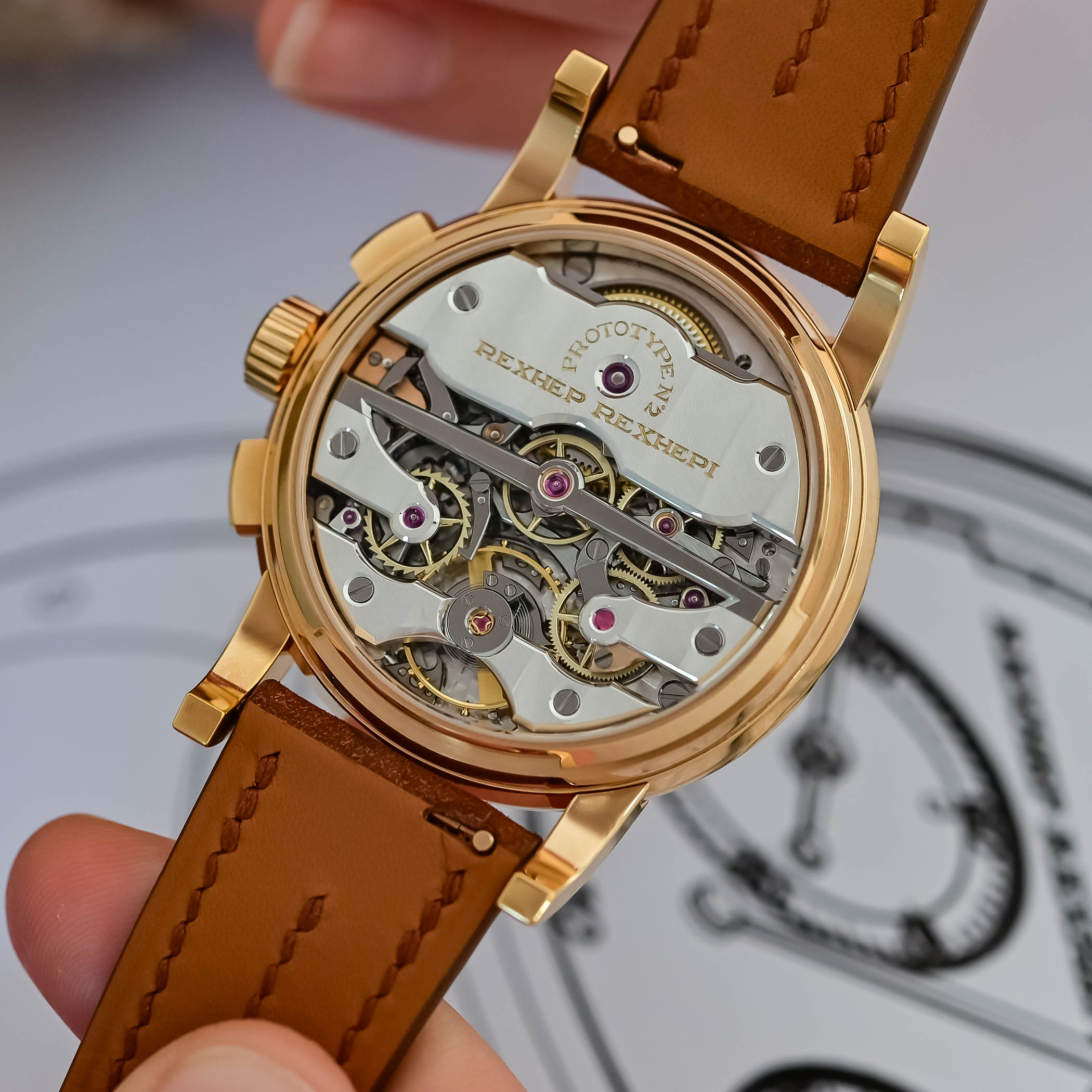
In terms of horological features, few categories were as compelling this year as the chronographs (side note: the diving watch category was, in fact, barely represented this year…) At one end of the spectrum was technically classic but extremely expressive watchmaking, such as the Rexhep Rexhepi Chronograph Flyback RRCHF, which is based on a relatively traditional architecture with a horizontal clutch and column wheel, yet housed in a movement that is second to none – full of character and Originality.
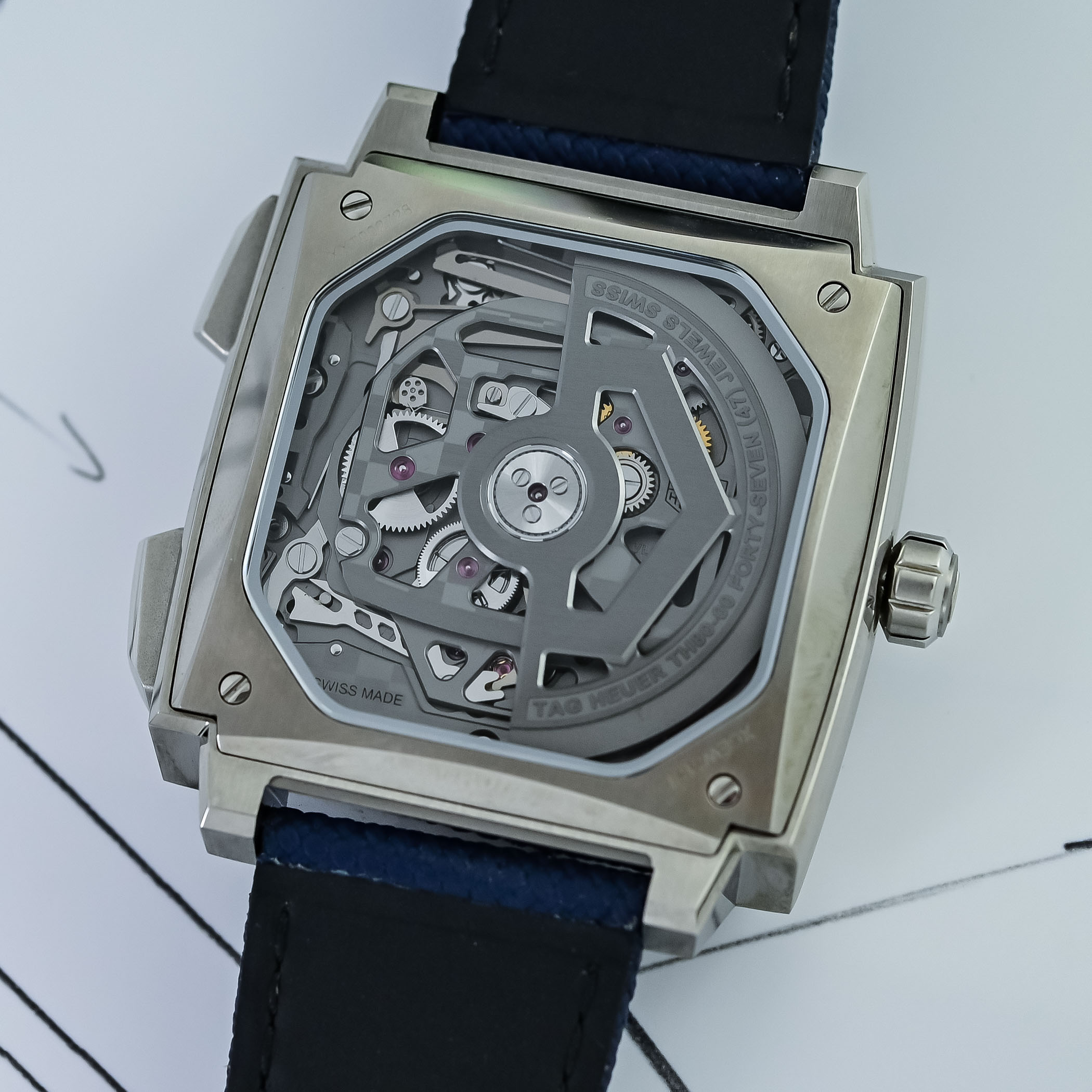
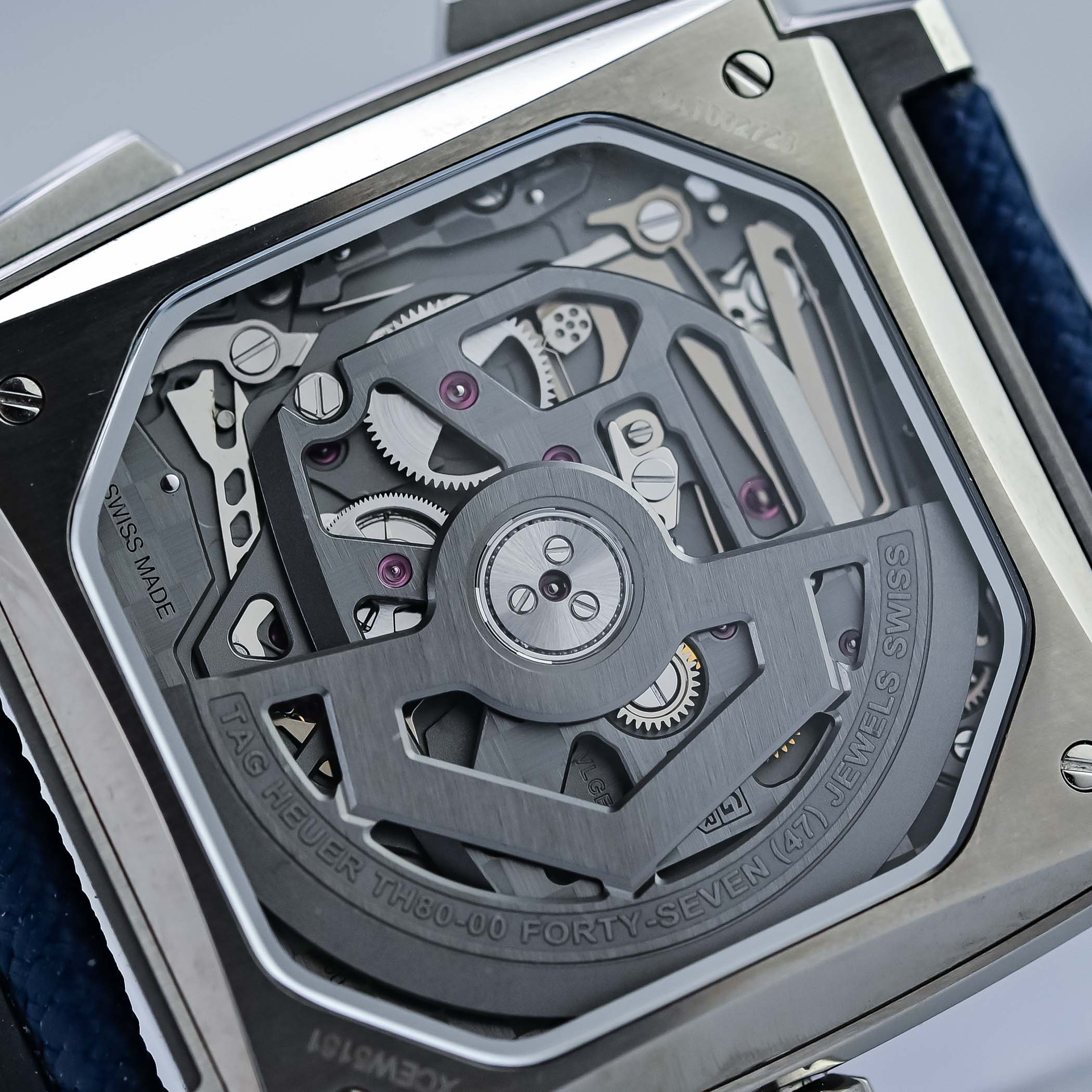
At the other end of the spectrum, innovation took center stage. TAG Heuer's Monaco Evergraph could well be the biggest innovation of the show. The all-new caliber TH80-00 is based on compliant, flexible mechanisms that replace the traditional chronograph activation and reset system used for decades. Two of these mechanisms were designed to provide a new tactile action when using the chronograph, and we explained them in the video we published earlier this week.
Parmigiani Fleurier, on the other hand, offered a different kind of innovation with its conceptually brilliant Chronographe Mystérieux (without disregarding the complexity of its movement), allowing the watch to transform into a central chronograph with exceptional legibility when activated and then transform into a subtle, elegant three-hand watch when the chronograph is not in use.
Ultra-thin watches remain a structural trend
The production of ultra-thin watches remains a profound and enduring trend. Record-breaking pieces naturally caught the attention, including Konstantin Chaykin's latest ultra-thin creation, the Thinking Mystery, and Bulgari's new platinum Octo Finissimo Ultra Tourbillon.

But the trend went far beyond the record holders. Patek Philippe's 50th anniversary Nautilus models, powered by the slim Caliber 240, demonstrated the timeless appeal of classic flat watchmaking. Vacheron Constantin also presented the Overseas Ultra-Thin Automatic, a magnificent platinum version with a new ultra-thin micro-rotor movement.
A striking year for striking watches
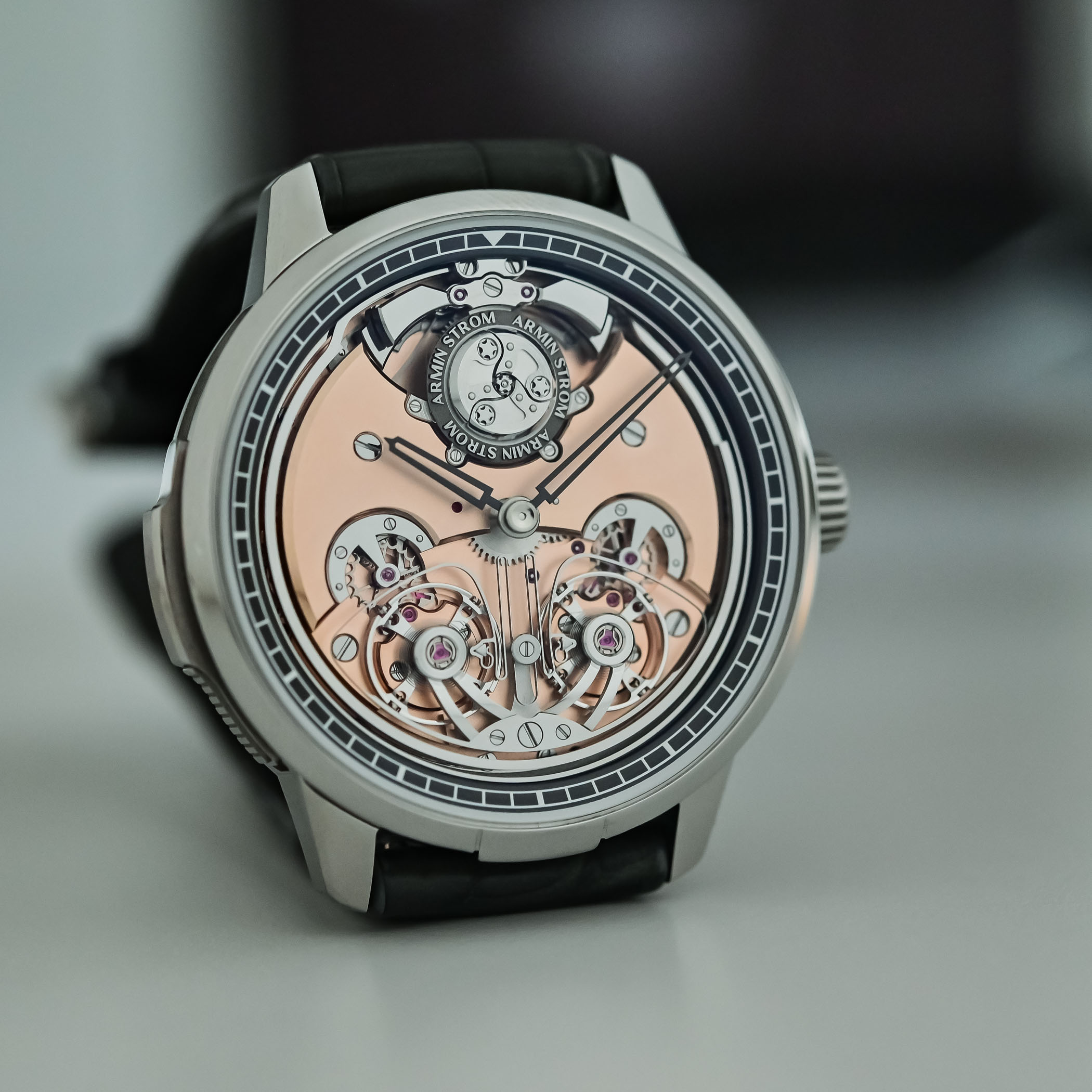
Another outstanding chapter of 2026 was the sheer abundance of chiming watches in almost all Sonnerie categories. Minute repeaters were featured prominently, with highlights like Armin Strom's Minute Repeater Resonance 12:59 First Edition, which combines beat and resonance functionality while introducing the delightful 12:59 mode, which triggers the longest possible minute repeater sequence in case you want to show off to your friends. New minute repeaters also came from Jaeger-LeCoultre and Bulgari with the Octo Finissimo 37.
Passing mechanisms also enjoyed renewed attention, such as Chopard's updated Strike One, while Angelus introduced the cool and relatively affordable quarter-percussion Tinkler in 1958. Patek Philippe introduced a new version of its alarm complication with the Alarm 5322, while Jacob & Co, in the brand's typically theatrical manner, unveiled the refreshing Godfather II, which featured not one but two tunes.
Flexible mechanisms as a central innovation topic
One of the Salon's most significant technical developments was the emergence of compliant or flexible mechanisms as a recurring theme of innovation. This technology has been used in several major product launches:
Comfort and bracelet receive great attention
Another notable trend has been the increasing focus on comfort, bracelets and clasps, areas that have sometimes been neglected in the past but clearly are no longer neglected. Brands everywhere presented more sophisticated folding clasps, improved security systems, comfort extension devices and increasingly sophisticated quick-release systems.
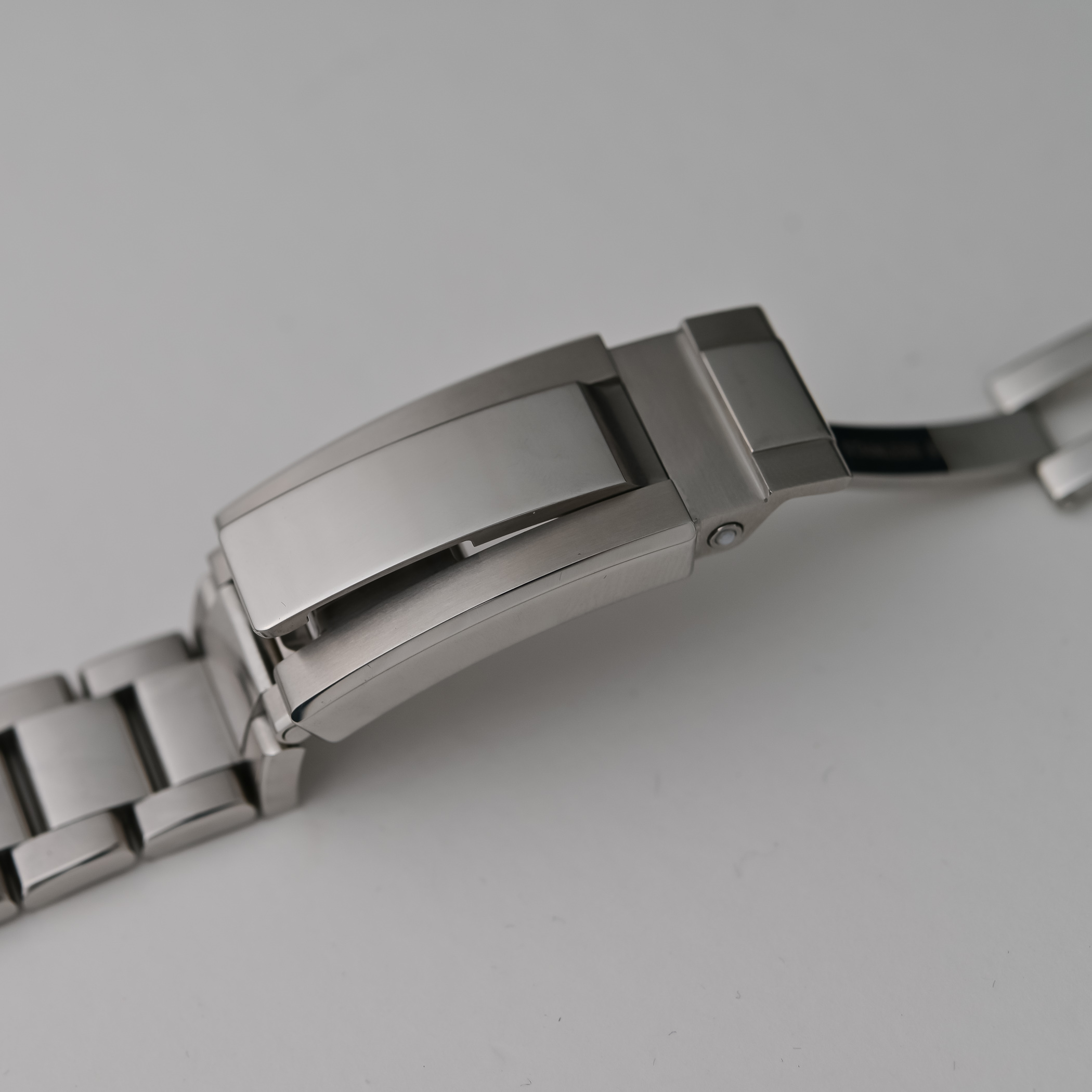
Zenith, Bulgari with the Octo Finissimo 37 and TAG Heuer all presented new clasp solutions at Watches and Wonders, to name just three examples from LVMH brands.
Quality standards and certifications are becoming increasingly important
Finally, 2026 also saw a greater emphasis on quality assurance and certification. Recently, the COSC announced its Excellence Chronometer certification, followed by Omega revealing details of its Laboratoire de Precision testing.
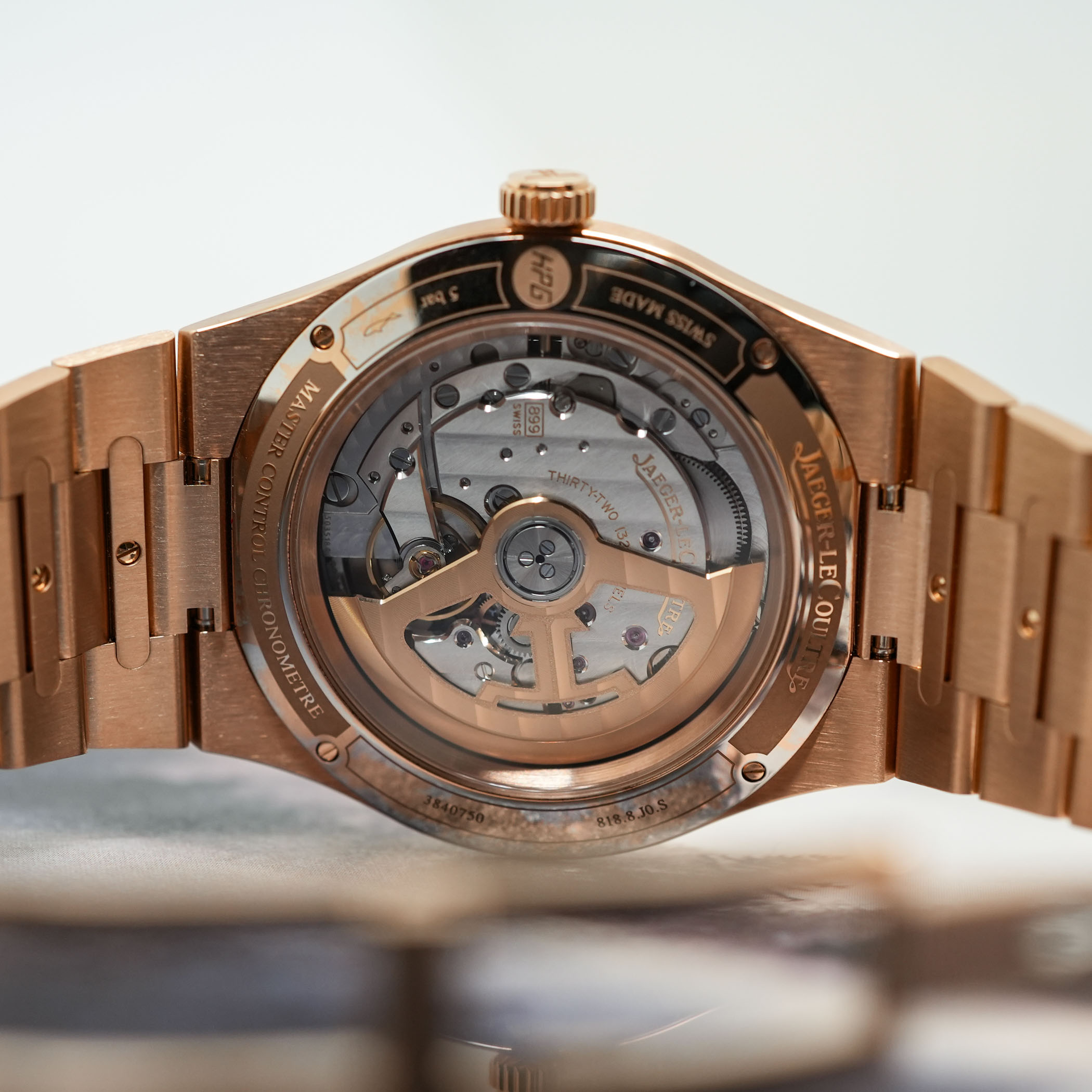
Jaeger-LeCoultre has introduced a new certification system for its Master Control Chronomètre with integrated bracelet, the HPG (High Precision Guarantee), which certifies not only the refined aesthetic finishes but also the high precision of the timepiece.
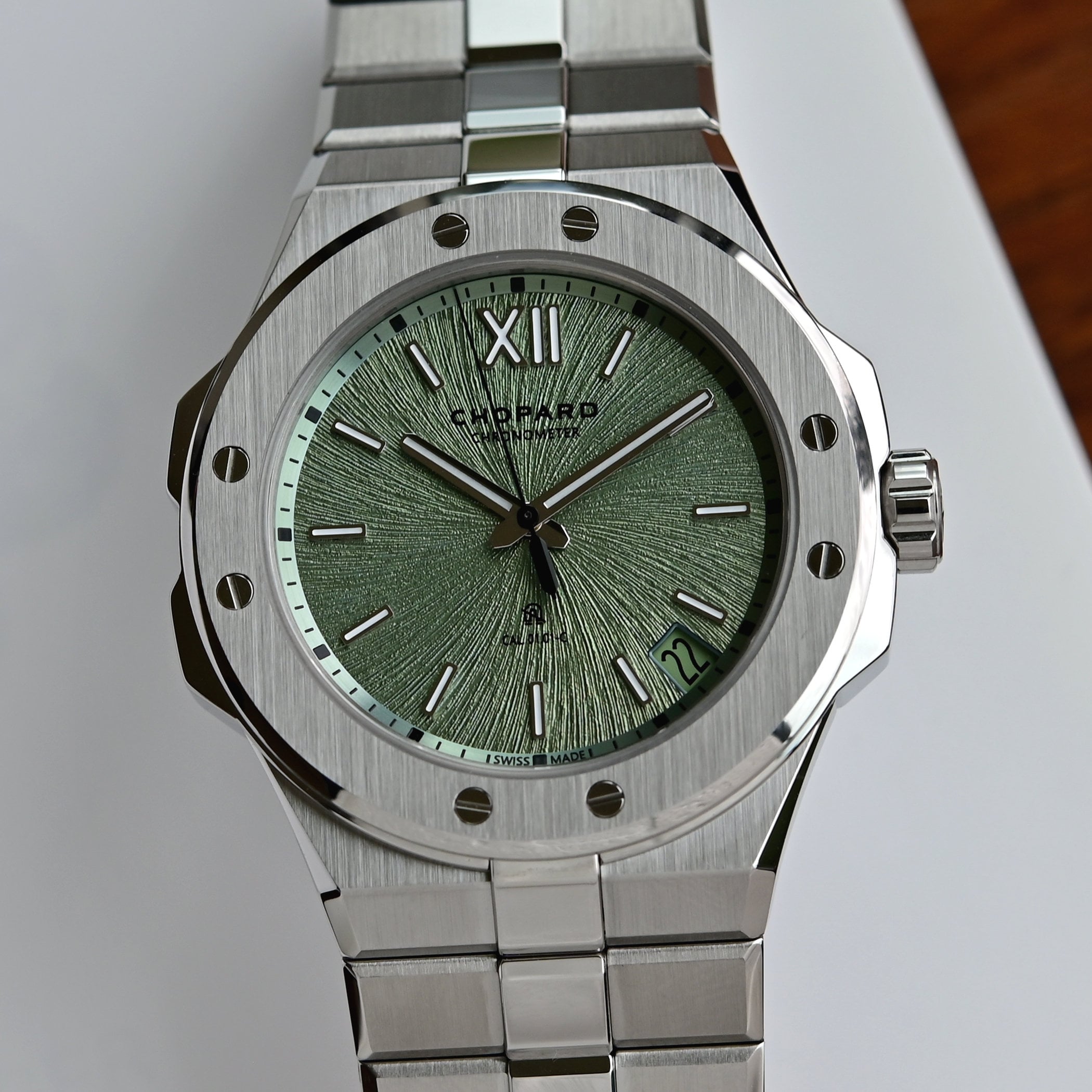
Rolex has raised the bar in communicating quality standards with the new Superlative Chronometer certification, particularly by including reliability, sustainability and anti-magnetic resistance, even if no specific performance data has been disclosed. Speaking of magnetism: What was notable was that Chopard introduced anti-magnetic metal hairsprings in an Alpine Eagle model, while both Jaeger-LeCoultre and IWC – more discreetly – expanded the use of silicon hairsprings.
All in all, while there was no real revolution, 2026 was a solid year for Watches and Wonders despite the challenging environment in the watch industry. A large number of high complications were introduced. In addition to the watches already listed in this article, the Ulysse Nardin Superfreak and the Jaeger-LeCoultre Master Hybris Inventiva Gyrotourbillon a Stratosphere deserve a mention. The market continues to focus on premium prices and prices continue to rise. We are seeing more and more gold/platinum watches and many models that we have seen in a reasonable price segment are being released at a much higher price. In this context, we encourage brands to stay reasonable when it comes to pricing, especially some small independent high-end watch manufacturers who go a little too far. Finally, we regret that some brands are not always transparent about the origin of their product developments and overuse or misuse the words “manufacture” or “in-house”, although it is easy to see that developments and production have been outsourced. Transparency is always rewarded…
And finally, discover the highlights of the MONOCHROME team from Watches and Wonders Geneva 2026 here.
https://monochrome-watches.com/editorial-watches-and-wonders-2026-the-trends-that-define-the-year/